You've seen the panda videos. You've heard it's the laid-back city of teahouses and hotpot. And then it hits you: *how many days do you actually need, and what should you do first?*
This is the complete, local guide to things to do in Chengdu — organised as 1-, 2-, 3-, 4- and 5-day itineraries you can copy hour by hour. Everything below has been field-tested by our team in Chengdu and updated as of October 2026. Whether you're here on a 24-hour layover or using the city as a base for a week in Sichuan, you'll find a plan that fits.
Why Chengdu? What the City Is Famous For
Chengdu is the capital of Sichuan and, by most measures, the most relaxed major city in China. Locals joke that Chengdu people are "too relaxed to rush," and you'll feel it the moment you sit down in a teahouse with a ¥20 cup of jasmine tea. But don't mistake calm for dull — Chengdu is a 2,000-year-old city with world-class food, world-famous wildlife, and some of the most important archaeological sites in East Asia.
What is Chengdu famous for?
- Giant pandas — the Chengdu Research Base of Giant Panda Breeding sits just 10 km from downtown and holds the largest captive panda population on earth, around 200 animals.
- Sichuan food — hotpot, mapo tofu, dan dan noodles, and the numbing 麻 (má) sensation from Sichuan peppercorn that defines the entire cuisine.
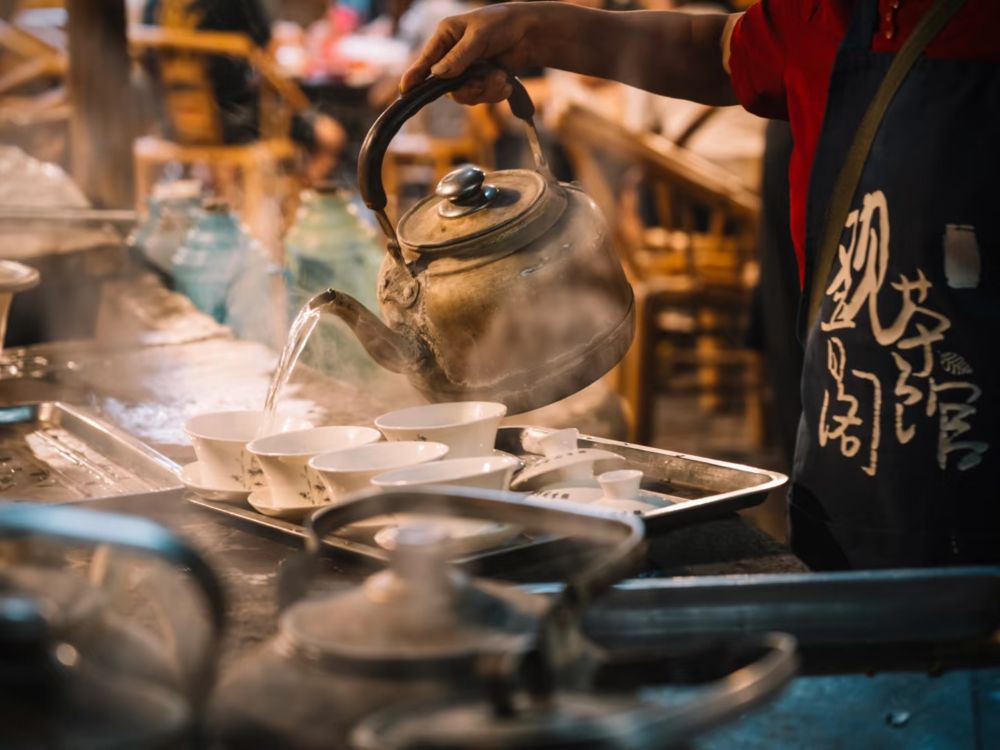
- Teahouse culture — all-day mahjong, ear-cleaning masters, and a gaiwan of tea that somehow never empties, in parks and lanes across the city.
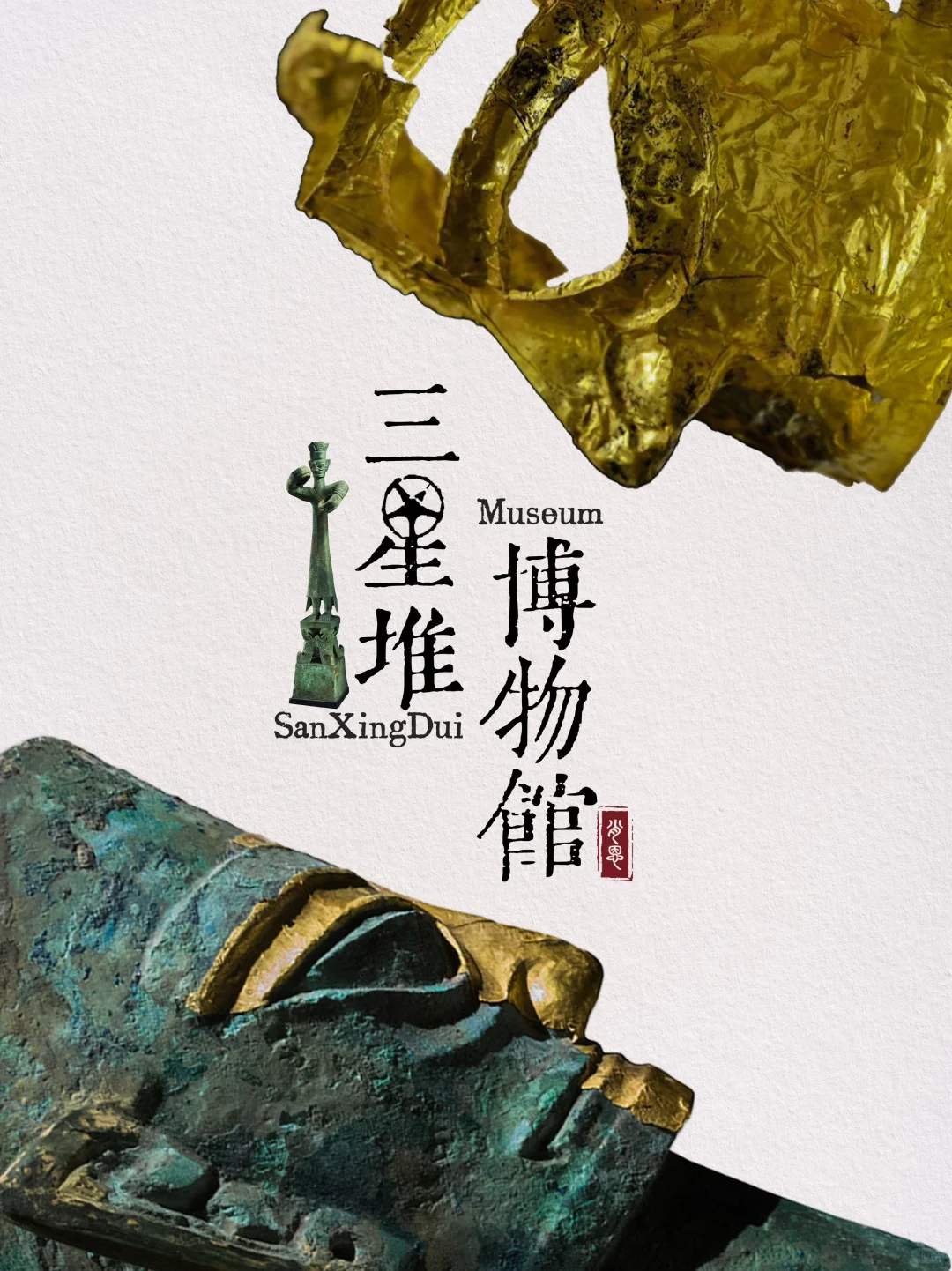
- History with real depth — the 3,000-year-old Sanxingdui bronze masks, the Jinsha gold relics, and the still-working Dujiangyan irrigation system built in 256 BC.
- The gateway to western Sichuan — snow mountains, Tibetan plateau towns, and Jiuzhaigou all start their journeys here.
Is Chengdu worth visiting? Absolutely. It pairs the single best wildlife encounter in China with one of the country's great food cities, and it works equally well for a 24-hour layover or a week-long base. Few cities in the world offer pandas, ancient bronze civilizations, and world-class street food within an hour of each other.
The Top Attractions
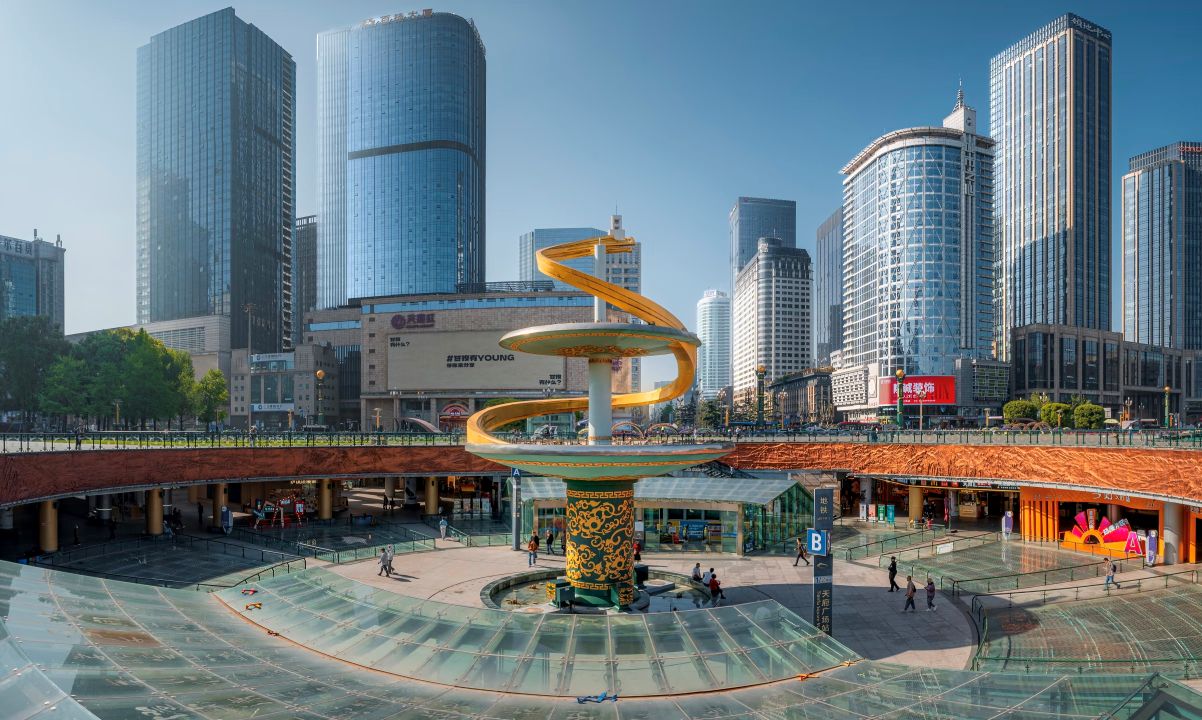
Chengdu's must-sees cluster into a few walkable zones — the panda base in the north, the old streets and People's Park in the centre — which is exactly why even a short trip feels relaxed rather than rushed. Here's what to prioritise, roughly in the order we'd suggest for a first visit.
### The Panda Base
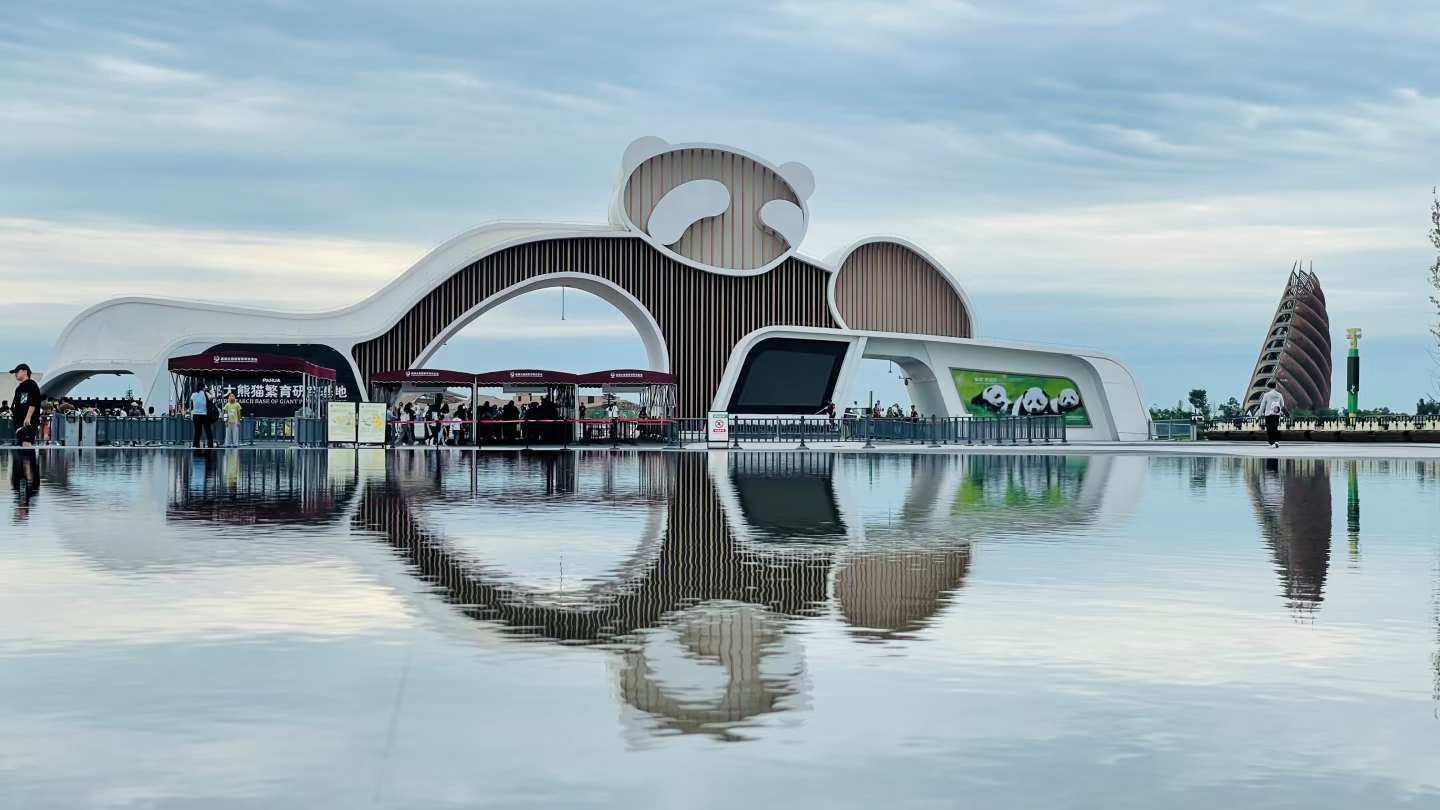
The Chengdu Research Base of Giant Panda Breeding is the 1 reason most visitors come, and it deserves the hype. Go at 7:30 a.m. at opening — pandas are most active in the morning, eating and playing, and by early afternoon they're asleep or indoors. Around 200 giant pandas live here, plus a separate colony of red pandas, spread across two zones: the busy South Zone (home to the nurseries and the famous Villa 6) and the quieter West Zone with more animals and far fewer people. It's roughly 30 minutes from downtown by metro and shuttle. Budget three to five hours. For tickets, opening times, transport routes, and the full morning strategy, see our complete Chengdu Panda Base guide.
### Kuanzhai & Jinli
Two restored Qing-era streets show you old Chengdu in two very different moods. Kuanzhai Alley (宽窄巷子) is the gentler of the two — three parallel lanes of teahouses, craft shops, and courtyard restaurants where the pleasure is in wandering with no agenda. Come in the afternoon, sit down with a tea, and watch the city pass by. Jinli (锦里) is livelier and lantern-lit, a narrow lane wrapped around a temple that's unbeatable for an evening of snacks, souvenirs, and photographs. Our Kuanzhai Alley guide and Jinli Street guide *(coming soon — articles in progress)* will break down exactly what to see, eat, and skip at each.
### People's Park & Teahouses
People's Park, in the heart of the city, is Chengdu in miniature: retirees dancing and playing cards, a famous matchmaking corner, and the legendary Heming Teahouse where locals pay for a single cup and stay for hours. Order a gaiwan, watch the ear-cleaning masters work their tuning-fork tools, and let the city set your pace — this is the single most "Chengdu" experience you can have. Teahouse etiquette is its own subtle art (including the lid signals that tell staff when to refill), which we decoded in Tea Worth the Wait.
### Museums
For the region's deep — and genuinely surprising — history, don't miss Sanxingdui, the site of a 3,000-year-old Shu civilization whose giant bronze masks, towering bronze trees, and gold artifacts overturned assumptions about early Chinese civilization. Combined with nearby Jinsha, whose gold sun-bird ornament became the emblem of Chinese heritage, it tells the story of a culture that flourished before written China. Our Sanxingdui & Jinsha guide covers tickets, transport, and the best route through both.
### Sichuan Opera Night
End one evening with face-changing (变脸) — the split-second, seemingly impossible mask changes that are Sichuan's signature performance art, performed alongside fire-spitting, shadow puppetry, and comic sketches. Plan for about 90 minutes and book ahead in high season, especially for the well-known teahouse theatres. We cover shows, prices, and the best seating in our Sichuan opera guide *(coming soon — article in progress)*.
How Many Days Do You Need?
How many days do you need in Chengdu? Three days is the sweet spot: enough for pandas, the old streets, a museum, and one day trip, without rushing. But the city flexes well to almost any schedule:
- 1 day — pandas + one old street + a Sichuan meal. Tight but doable on a layover.
- 2 days — pandas, old streets, a museum or teahouse afternoon, and a proper food crawl.
- 3 days — add a day trip: Dujiangyan, Qingcheng, or the bamboo valley.
- 4–5 days — add a second day trip, or use Chengdu as the base for an overnight into western Sichuan.
If you're short on time, the one thing to protect is your panda morning — it's the experience you'll remember most.
One Day in Chengdu
If you only have 24 hours, this timetable hits the icons. Start early — the pandas don't wait, and the difference between the 7:30 and the 9:00 crowd is enormous.
- 7:00 a.m. — leave your hotel for the Panda Base (DiDi or metro Line 3 + shuttle).
- 7:30–10:30 a.m. — pandas at their most active. See the panda base guide for the full strategy.
- 11:30 a.m. — early Sichuan lunch: dan dan noodles or mapo tofu near Kuanzhai.
- 1:00–3:00 p.m. — wander Kuanzhai Alley at a slow pace, teahouse stop included.
- 3:30 p.m. — People's Park teahouse: a gaiwan and an hour of people-watching.
- 6:00 p.m. — Jinli Street lanterns, snacks, and photos as the light fades.
- 7:30 p.m. — Sichuan hotpot for dinner (or a milder chuanchuan skewer spot).
- Optional 9:00 p.m. — a face-changing show if you have energy left.
If that feels like too much, drop the show and end with a slow hotpot dinner — lingering over a bubbling pot is a more authentic Chengdu finish than a packed schedule.
2 Days in Chengdu
Day 1 covers pandas, Kuanzhai, and hotpot as above. Day 2 slows down and goes deeper into the city's culture:
- Morning — Wuhou Shrine and Jinli in daylight, or the Sichuan Museum for a crash course in regional art and history.
- Midday — a proper food crawl through a local market: hunt down dan dan noodles, guokui flatbread, and sweet water noodles (甜水面).
- Afternoon — Chengdu Museum, or the old Eastern Suburb Memory factory-turned-gallery zone for a very different side of the city.
- Evening — Sichuan opera (变脸) and a late-night chuanchuan (skewer) hotpot where you pick your sticks and pay by the skewer.
Two days also gives you room to actually slow down: an unhurried teahouse afternoon, a long lunch, and a walk through a residential neighbourhood. Chengdu is a city best absorbed at half speed, and two days is the first point at which you can stop ticking off sights and start feeling the place.
3 Days in Chengdu
With three days, add a day trip and stop rushing. This is the plan most first-timers should aim for.
- Day 1 — Pandas + Kuanzhai + People's Park + hotpot.
- Day 2 — Ancient Shu day: Sanxingdui and Jinsha, then Sichuan opera in the evening.
- Day 3 — A day trip: choose Dujiangyan (the ancient irrigation system, a UNESCO site, plus the quieter Panda Valley nearby) or Mount Qingcheng (a Taoist mountain roughly an hour away, with a cable car to save your legs).
Three days is the itinerary we recommend to most first-timers. It's long enough to see the icons without exhaustion, and short enough that you still leave with energy — and a reason to come back.
4–5 Days: Add Day Trips
The fourth and fifth days are your chance to explore beyond the city — and this is where Chengdu turns from a stop into a base.
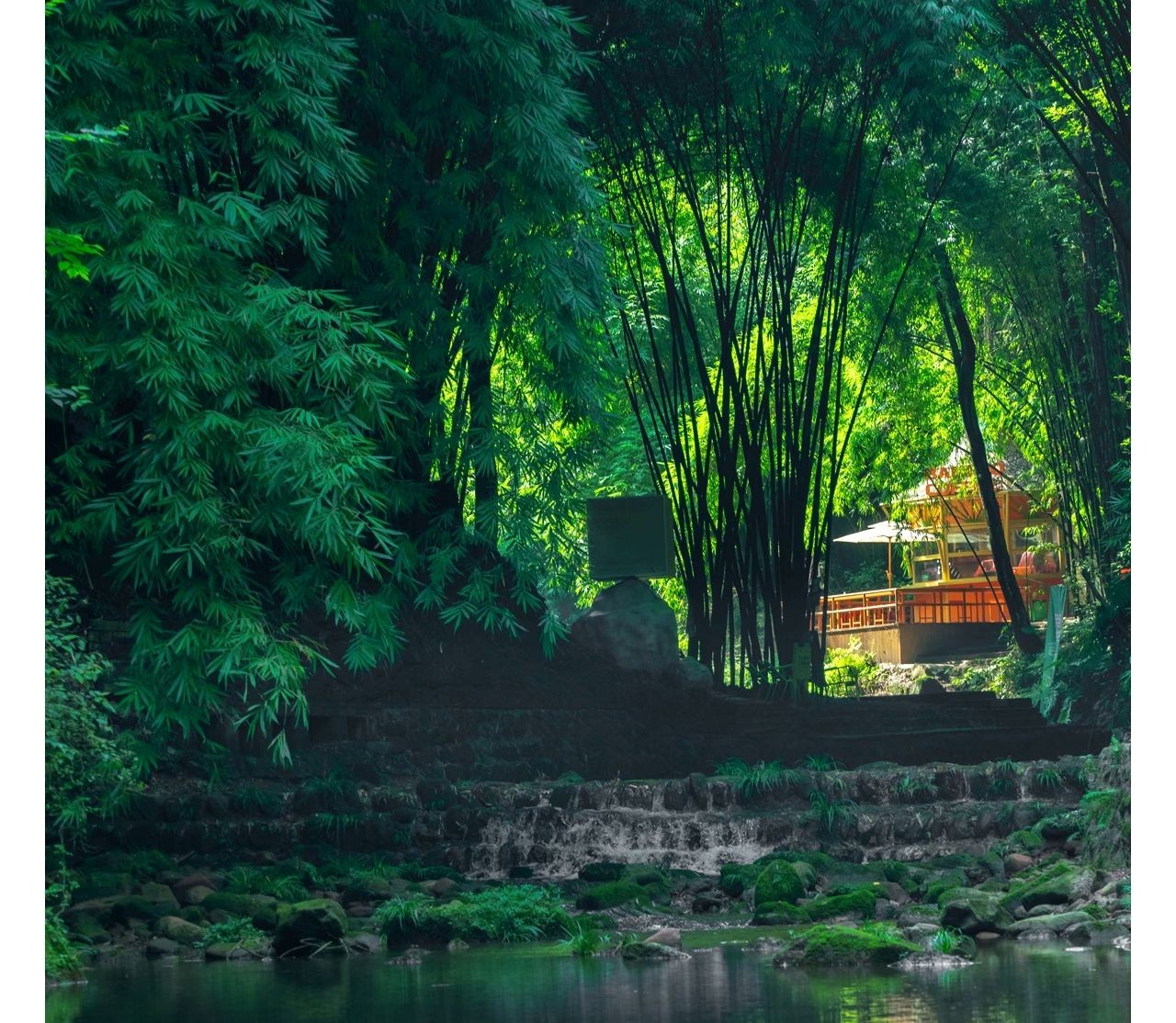
- Bamboo valley day trip — a full day of bamboo groves, streams, and quiet paths outside the city. We lay out the exact itinerary, departure times, and route options in our Chengdu day trips guide.
- Dujiangyan + Qingcheng — ancient engineering on the plain in the morning, then a Taoist mountain in the afternoon.
- Leshan Giant Buddha & Mount Emei — a 2-day route if you have the time, combining the world's largest stone Buddha with a sacred mountain.
- Western Sichuan — with five or more days, consider an overnight toward the Tibetan plateau.
Use the day-trip chooser below to pick based on your time, kids, and energy — for families we'd suggest the bamboo valley; for hikers, Qingcheng; for history, Dujiangyan.
Chengdu with Kids
Is Chengdu good for families? Yes — better than most Chinese megacities. The pandas alone justify the trip for children, and the city is flat, walkable, and unusually calm compared to Beijing or Shanghai.
- Panda Base first thing — get there at opening and go straight to the nurseries, where cubs are usually on view with shorter queues.
- Skip Hua Hua if the line is long — little kids lose patience fast, and the cub nurseries are every bit as charming.
- People's Park — boats, open space, and cheap snacks keep everyone happy for a few hours.
- Rain or smog backup plan — indoor options like the Chengdu Museum, the Science & Technology Museum, and the aquarium complex.
- Keep it short — one big attraction per day, with teahouse and snack breaks in between. Chengdu's pace suits young travellers well.
Best Time to Visit
Chengdu is a year-round city, but the seasons matter. Spring (March–May) and autumn (September–November) are the sweet spots — mild temperatures, blooming parks, and pandas staying active outdoors. Summer (June–August) is hot and humid, so pandas retreat indoors by midday and you'll want early starts and indoor afternoons. Winter (December–February) is grey and damp but empty, with the lowest prices and no queues — some travellers love it. For the month-by-month picture — including pass openings, rain, and altitude in the high western roads — see our seasonal guide to western Sichuan.
One caveat worth knowing: Chengdu sits in a basin, so it's often hazy and humid, and sunny days are genuinely treasured by locals. Don't plan around blue skies — instead plan around the food, the teahouses, and the pandas, which are wonderful in any weather, and save the mountain views for a clear day.
Getting Around + Travel Tips
Chengdu's metro is spotless, bilingual, and cheap — most of your sightseeing sits on Lines 1, 2, and 3, and fares rarely top ¥5. Buy a single-journey token with a card tap, or add the "Tianfu Tong" transit card inside Alipay for the smoothest experience.
- Metro — fastest and cheapest way across town; runs roughly 6:30 a.m.–11 p.m.
- DiDi — China's Uber, set up inside Alipay before you land; English interface, card payment.
- Payments — set up mobile payments before you land by linking your international card to Alipay and WeChat Pay. Paying with them is smooth and effortless almost everywhere — far more convenient than fumbling with cash or cards.
- Connectivity — buy an eSIM before you fly, and install your VPN beforehand (Google, Instagram, and WhatsApp are blocked on mainland networks).
- Language — download the offline Chinese pack in your translation app, or use WeChat's built-in "Scan & Translate" on menus and signs.
- Toilets — carry tissue and hand sanitizer; squat toilets still dominate public restrooms.
- Pace — build slack into your itinerary. Chengdu rewards the unplanned afternoon far more than a packed checklist.
A few practical notes that save first-timers a lot of friction: taxis and DiDi are cheap, but during rain or rush hour the metro beats sitting in traffic — especially on Line 3 toward the pandas. Cash still works at banks and big hotels but is rarely needed day to day, so treat Alipay as your wallet and keep a little cash as backup. And don't over-schedule your afternoons: the best Chengdu moments — a spontaneous mahjong game, a second pot of tea — are the ones you didn't plan.
Visas: What Changed Recently
China's entry rules have loosened significantly since 2024, and many visitors are still planning around outdated policies.
- 240-hour (10-day) visa-free transit is available for travellers from 54 countries connecting through China to a third destination — Chengdu's two airports both qualify, making a city stopover easy.
- 30-day visa-free entry currently applies to passport holders from a long list of countries including the UK, France, Germany, Spain, Italy, the Netherlands, Australia, Japan, and South Korea.
- Standard L tourist visas remain available through Chinese embassies and visa centres if you need a longer stay.
"Pro tip: The visa-free policy is officially described as a "trial" and gets extended periodically. Always confirm on your country's Chinese Embassy website within two weeks of departure. Our team verifies policy updates monthly — see our China visa & visa-free guide *(coming soon — article in progress)* for the current country list."
What to Eat & What to Buy
Food is half the reason to come, and you don't need to speak a word of Chinese to eat brilliantly. Start with the classics: mapo tofu, dan dan noodles, twice-cooked pork, and a genuine Sichuan hotpot. The numbing 麻 (má) from Sichuan peppercorn is the flavour that defines the cuisine — you'll either love it or reach for a bowl of rice. For a beginner's map of what to order (and how to politely avoid the rabbit head), read our guide to reading a Sichuan menu.
To buy, skip the airport magnets. Sichuan's real souvenirs are handmade — tea-dyed textiles, ceramics, and artisan gifts sourced directly from local makers, many of them working in the same workshops that have dyed cloth with tea since 1908. Browse our handmade gifts collection for pieces worth keeping, or read the stories behind the craft on our guides.
If you're unsure where to start eating, the safest first order is a bowl of dan dan noodles for breakfast (yes, locals eat noodles for breakfast) and a shared hotpot for dinner, ordering half-and-half if you're nervous about the spice. Ordering is easier than it looks once you recognise the ten characters that appear on almost every menu — which is exactly what our menu guide teaches.
FAQ + Build Your Custom Trip
What is the number one thing to do in Chengdu? See the giant pandas at the Chengdu Panda Base — and go at opening, not at noon.
Can you see Chengdu in one day? Yes, if you start early: pandas in the morning, one old street, a teahouse, and hotpot in the evening.
How do you get around Chengdu? Metro plus DiDi. Set both up before you fly, and use Alipay for payment.
Is Chengdu good for families? Very — pandas, parks, and a calm, flat, walkable centre make it one of China's most family-friendly cities.
How many days in Chengdu is enough? Three days covers the highlights comfortably; add one to two more for day trips.
Is Chengdu worth visiting if I'm not into pandas? Absolutely — the food, teahouses, Sanxingdui, and day trips stand on their own.
Do I need to speak Chinese in Chengdu? No, but two apps make life easy: a translation app with the offline Chinese pack, and Alipay for payments. In tourist areas, English menus and signs are common.
What should I pack for Chengdu? Comfortable walking shoes, layers (the basin is humid and its weather shifts), an umbrella, tissue for restrooms, and a power bank for a full day of phone-based navigation and payment.
Ready to stop planning and start packing? Tell us your dates and interests, and we'll build the trip around you.
Build Your Trip — pick your route:
- Fully custom Sichuan itinerary — tell us your dates; we design the route. Custom Sichuan tour
- Panda-focused day tour — tickets, transport, and an early start handled. Chengdu Panda Base day tour
- Street food & night market tour — eat your way through the city. Chengdu food tour
- Cultural heritage experience — tea-dye, opera, and craft with local makers. Bashu heritage tour
Last Updated: October 11, 2026 · This article is reviewed by our Chengdu-based team and re-verified quarterly.
Disclaimer: Visa, payment, ticket, and transport details are set by the relevant authorities and operators and are subject to change without notice. This article is for general guidance only and does not constitute legal or immigration advice. Always verify current requirements with official sources before you travel.
Sources:
- National Immigration Administration of China (国家移民管理局) — official visa and visa-free transit notices: en.nia.gov.cn
- Chengdu Rail Transit Group — chengdurail.com
- Chengdu Research Base of Giant Panda Breeding — panda.org.cn
- Chengdu Municipal Culture, Radio, Television and Tourism Bureau — official attraction notices