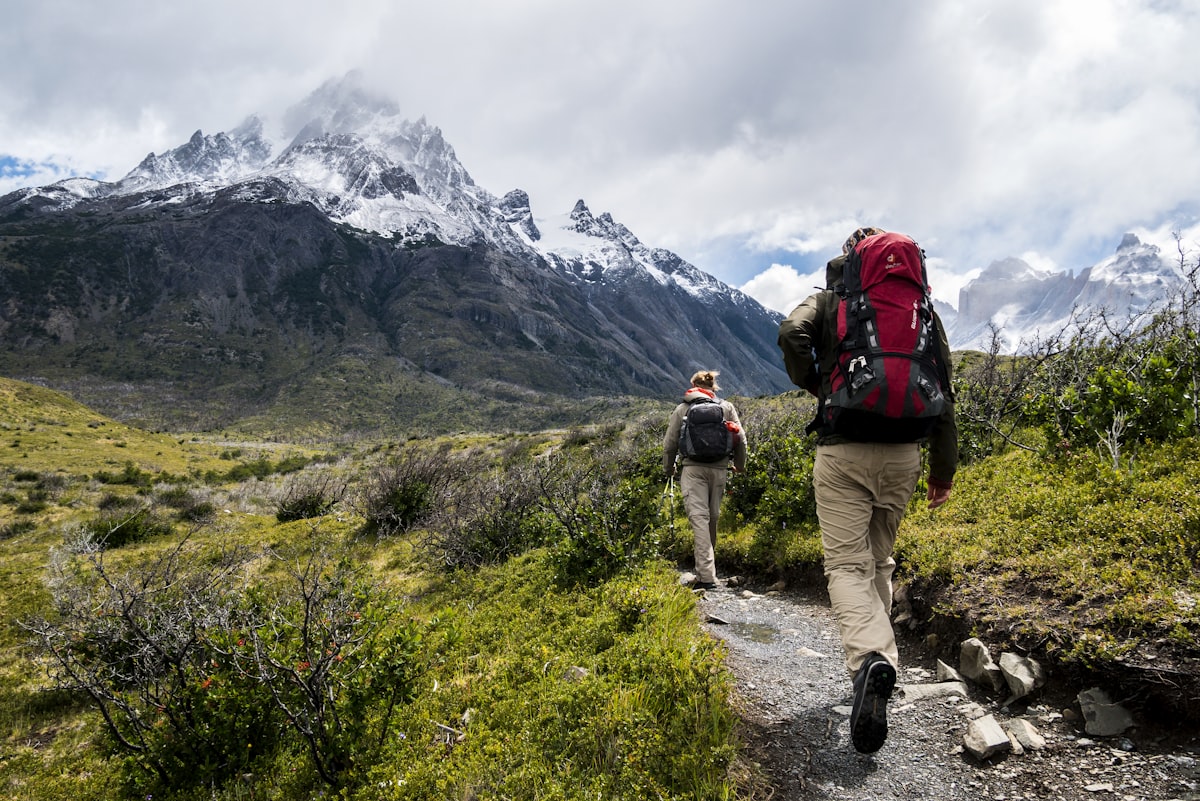
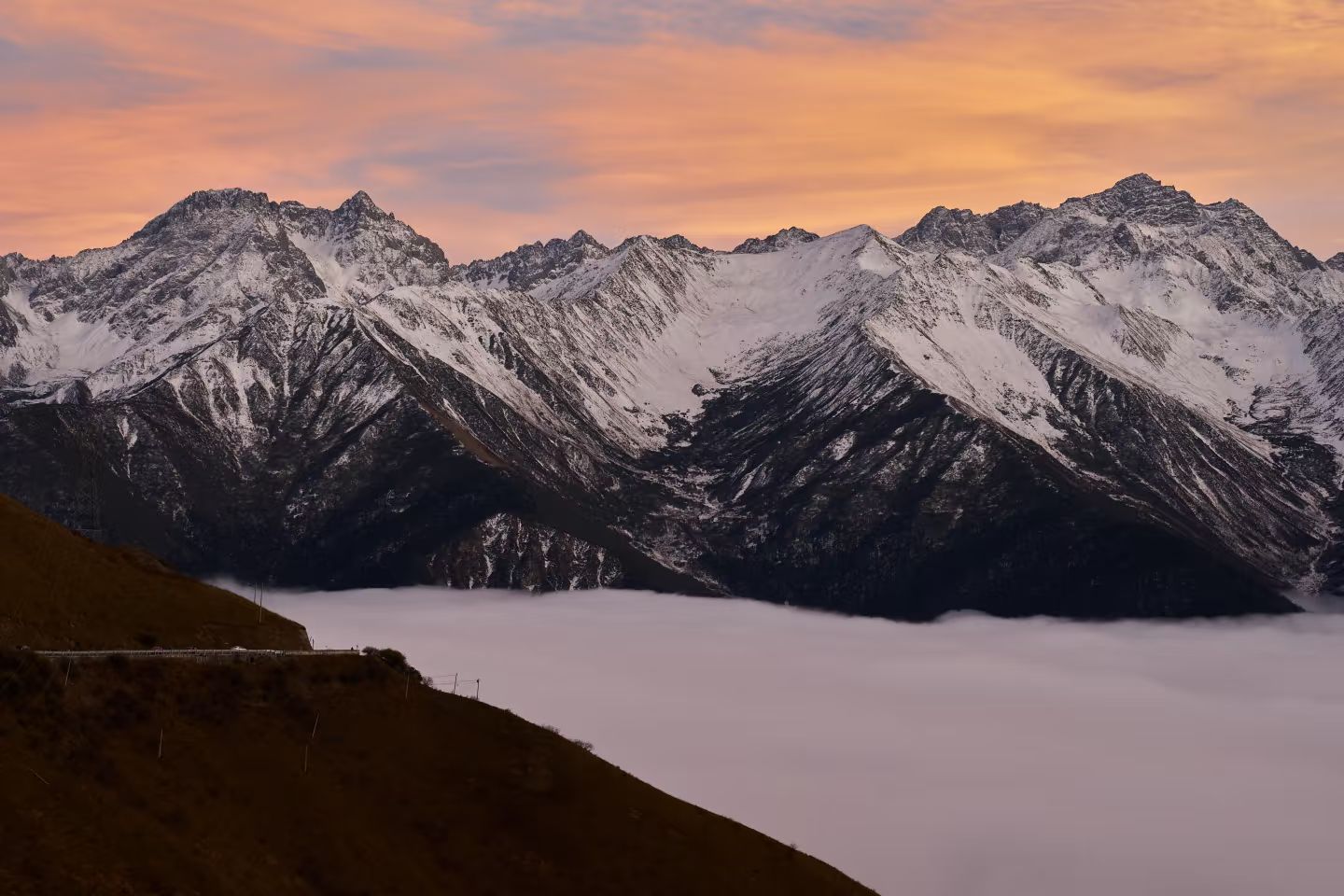
West of Chengdu, the geography changes its mind fast. The basin's fog and noodle steam end at Ya'an, and the ground starts climbing — 3,000, 4,000, eventually 4,700 meters — through country where the roads are spectacular, the towns are hours apart, and the weather makes its own decisions.
The one question that determines whether this trip becomes the best week of your year or an expensive cold wait: when do you go?
Not where. *When.* The same valley that glows gold in October can be a whiteout in January and a construction zone of landslide cleanup in July. Here is the year, season by season, as it actually behaves — updated as of August 2026.
Autumn, Mid-September to Late October: The Answer, If You Can Take It
If you want the region at its best and can only pick one window, this is it. The monsoon quits. The air scrubs itself clean. The poplars along the Litang plateau go the color of egg yolk, the meadows rust, and the snow peaks — Gongga, the three brothers of Yading, Mount Siguniang — stand out like cutouts for weeks at a time.
This is also when every domestic photographer in China has the same idea. Book beds two to three months ahead for the classic stops: Daocheng Yading, the Litang grasslands, the New Tagong and Xinduqiao corridor. Prices roughly double for National Day week (October 1–7) — avoid it if you have any flexibility at all, because the crowds don't match the scenery; they defeat it.
A quieter version of the same autumn: Danba's villages. The Jiaju and Zhonglu valleys sit at a merciful 2,000 meters, their watchtowers and terraced orchards going gold in late October, with guesthouses that still have beds when Yading doesn't. The crowds haven't fully found the calendar difference.
Winter, November to March: What Closes, What Doesn't
Here is where honesty matters, because the region's biggest misconception lives here.
What closes for the season: the high-alpine highlights of Daocheng Yading. The park's long route — the Gongga-tso basin, Milk Lake, Five-Color Lake above 4,600 meters — is shut annually from late November through mid-April, officially for ice safety and ecological recovery, and this closure repeats every year like clockwork. The same goes for the high viewing platforms that depend on dirt roads: Niubei Mountain, Zi Mei Pass. When it snows up there, the road simply stops existing.
What stays open, and quietly shines: the Yading short routes — Chonggu Temple, Pearl Lake beneath Xiannairi's north face — and the Luorong Pasture meadow, both running all year at a reduced winter ticket (¥120 vs. the standard ¥146–266 tiered pricing). Add Hailuogou's glacier-and-hot-spring combination, where you soak at 40°C while snow falls on your head, and Danba again, which winter barely touches.
What winter gives you in exchange for the closures: blue-sky days of startling clarity, hotel prices at half their autumn level, and the highlands almost to yourself. What it costs: nights of –15°C in Yajiang and Litang, real altitude discomfort in the deeper cold, and the need to check road conditions every single morning, because ice doesn't make appointments.
Spring, April to May: The Thinking Traveler's Window
The passes melt out in April, the meadows go green, and wildflowers start in the river valleys. The crowds haven't arrived; prices haven't either. The catch is variance — one week is summer, the next brings a rearguard snowfall at 4,000 meters. If you're flexible day-to-day, this is the connoisseur's season: the Kham valleys are fresh, the light is soft, and you'll share trails with birdwatchers rather than buses.
Late March into early April adds Danba's pear blossom season — the white-petaled two weeks when the valley villages look Photoshopped — followed by the peach and apricot bloom across the Dadu river towns. Two thousand meters of altitude keeps all of this comfortably snow-free.
Summer, June to August: Green, Wild, and On Notice
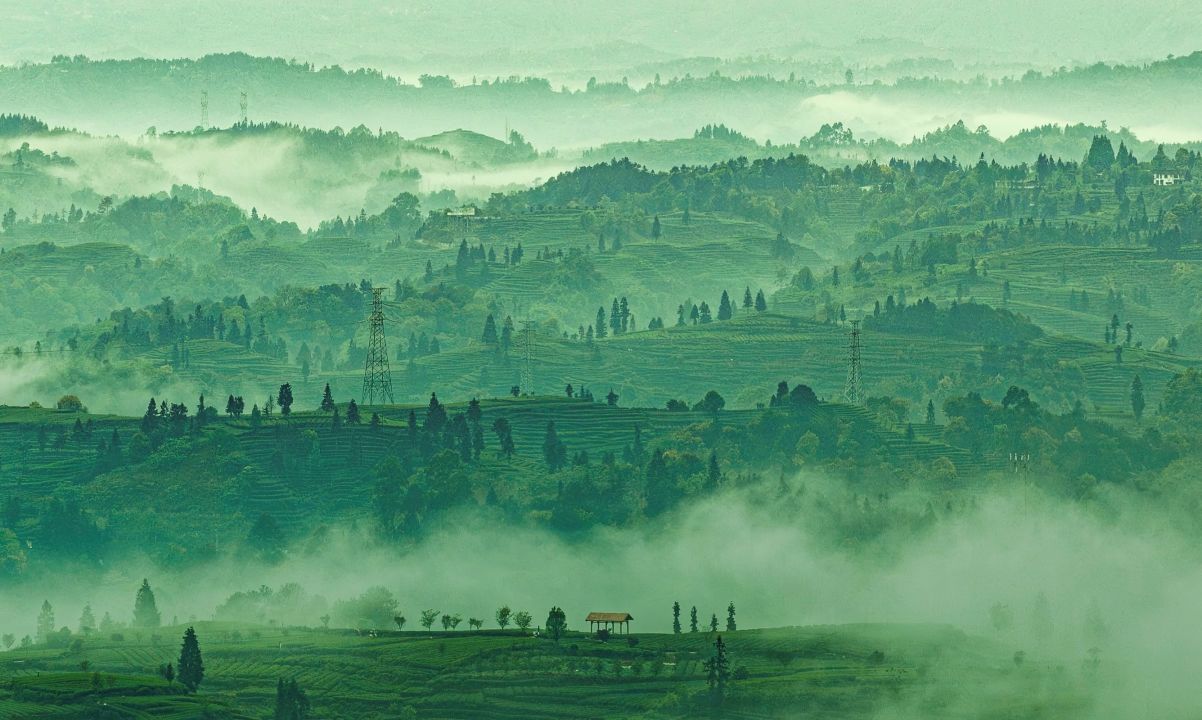
Understand one mechanism and summer makes sense: Sichuan's monsoon hits the mountains west of the Chengdu plain and dumps its moisture there — locals call the wall of peaks the "rain screen." From late June through early August, that means landslide season on the exposed road sections: the Ya'an–Kangding climb, the Yingxiu–Wolong–Siguniang stretch, and pieces of the northern route toward Danba. The new tunnels and expressways have improved things dramatically, but the rain still wins scattered rounds every year.
Why go anyway: this is when the plateau meadows are at their most alive — the flowers on the Tagong and Litang grasslands peak in July, the air is thick with the smell of growth, and the higher trails are at their most walkable. Just build slack into every driving day, check road status each morning, and treat any itinerary that requires a pass to be open "right now" as a suggestion, not a plan.
The Altitude Conversation Nobody Should Skip
Western Sichuan is not Chengdu. You will sleep at 3,300 meters (Xinduqiao), pass 4,298 meters (Zheduo Mountain), and possibly stand at 4,700 (if the Yading long route is open when you visit — always verify current status with the park before counting on it). Your body notices.
What works, from hard experience:
Climb gradually. A night in Kangding (2,560 m) or Danba (1,800–2,000 m) before sleeping at Yading's Shangri-La Town (2,900 m) measurably reduces the misery. Flying directly into Daocheng's 4,411-meter airport is how people spend their first day gray-faced in a hotel room — drive in over two days if you can.
Act like a local on day one. No showers the first night (it sounds like superstition; it's vasodilation and it matters), no alcohol, no running for photos, water constantly, ibuprofen for the headache.
Take the warning signs seriously. Mild headache and breathlessness at altitude are normal. Vomiting, confusion, or a cough that won't clear are not — descend immediately, 500 meters is usually enough. The region has hospitals in Kangding, Ganzi, and Daocheng; don't tough it out.
Three Things Foreign Travelers Should Specifically Know
Hotel registration can still be a lottery in small towns. National policy since 2024 is clear — hotels may not refuse foreign guests for lacking "foreign-reception qualification" — but enforcement in the deeper valleys lags the law. In practice, book through an international platform (Trip.com's English site) and filter for "receives foreign guests" before you rely on a county-town bed, especially in Ganzi prefecture. The Danba valley guesthouses are notably relaxed about this.
Larung Gar (Seda) requires Chinese ID to reserve. The famous red-roofed academy at Seda operates on a mandatory online reservation system that currently verifies a Chinese national ID at booking. As of this writing, foreign passport holders cannot complete the reservation themselves — which effectively closes the site to independent foreign visits. If seeing Tibetan Buddhist life matters to you, the monasteries of Ganzi, Dege (with its legendary printing house), and Litang are welcoming alternatives that don't require this step.
You don't need a Tibet permit for Western Sichuan. Despite the Tibetan culture, the Kham region of Sichuan province has no special permit requirement beyond your visa — your passport is enough. (If you continue west into the Tibet Autonomous Region, that's a different story and a different paperwork.)
The Short Version
| Season | Roads | Crowds | Verdict |
|---|---|---|---|
| Mid-Sep–late Oct | Dry, open, stable | Heavy (peak) | The best window, if booked ahead |
| Nov–Mar | High routes closed | Nearly none | For solitude-seekers with warm gear |
| Apr–May | Melting out, variable | Light | The connoisseur's pick |
| Jun–early Aug | Landslide-prone sections | Moderate | Greenest, best meadows, needs flexibility |
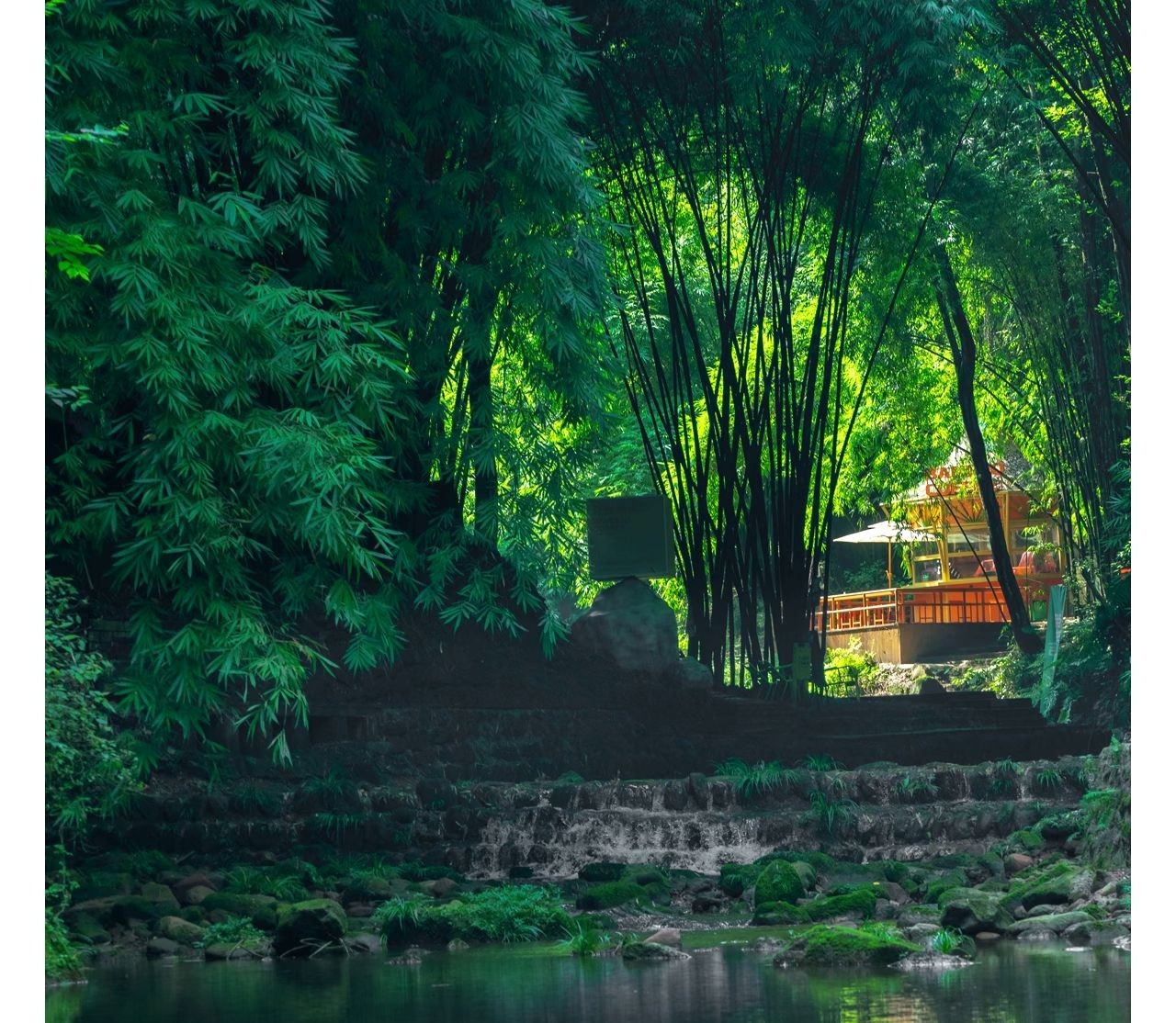
And whenever you go: pack layers for all four seasons in one day, carry your documents always (there are checkpoints on the main corridors), download offline maps, and leave a day of slack on either end of everything. The highlands reward the unhurried — which, as we keep saying about this province, is the whole point. If you're still sorting out arrival logistics, start with the practical entry guide; for something gentler at valley altitude first, try the bamboo day trip.
---
Last Updated: August 22, 2026 · Road conditions, closure schedules, and site access verified against official announcements and re-checked quarterly by our Chengdu team.
Disclaimer: Mountain roads, weather, and site access in Western Sichuan change rapidly and without notice; seasonal closures (including Yading's high-route winter closure) are annual but exact dates vary year to year. Altitude travel carries real medical risk — consult a physician before high-altitude travel if you have any cardiovascular or respiratory conditions. Reservation systems and access policies for religious sites may change without warning. This article is general guidance only, not medical or legal advice — verify current conditions with official sources before and during travel.
Sources:
- Daocheng Yading scenic area official seasonal closure notices (Ganzi prefecture, 2022–2026 winter announcements) - Sichuan road and landslide season reporting for the Ya'an–Kangding and Wolong corridors - Ministry of Public Security / National Immigration Administration statements on foreign-guest hotel registration (2024) - On-the-ground verification by our Local Guide Team, Chengdu (Aug 2026)