Three thousand years ago, on a riverbank 40 km north of Chengdu, someone cast a bronze mask with eyes on stalks and a tree tall enough to reach the sky — then, for reasons still unexplained, the ancient Shu people smashed, burned and buried it all. When Sanxingdui was rediscovered in the twentieth century, it didn't just fill a gap in Chinese history. It broke the timeline.
This guide covers everything you need to actually visit: what the famous artifacts mean, how the new museum is laid out, how to secure timed-entry tickets, how to pair Sanxingdui with the Jinsha Site Museum in Chengdu, and how to get there from the city.
What Is Sanxingdui?
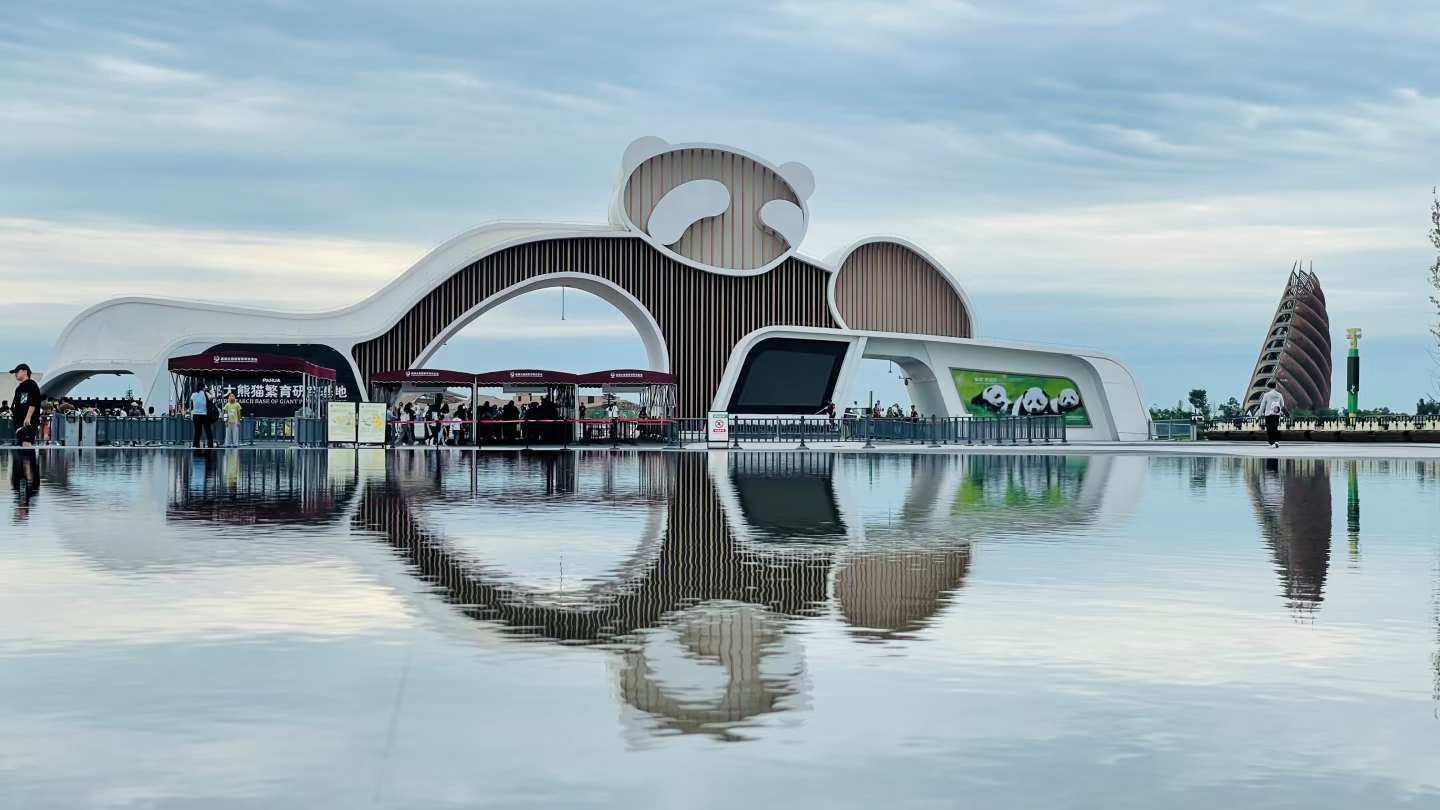
Sanxingdui ("Three Star Mound") is a Bronze Age archaeological site in Guanghan, about 40 km northeast of central Chengdu, and the museum built over it is today the most visited cultural attraction in Sichuan after the pandas.
The site belonged to the ancient Shu civilization — a sophisticated kingdom on the upper Yangtze that flourished roughly 4,800 to 3,000 years ago, producing bronze, gold, jade and ivory work of a style found nowhere else in China. It was unknown to written history until farmers digging a trench in 1929 unearthed jade, and formal excavations in 1986 uncovered the two sacrificial pits that stunned the world.
Why is Sanxingdui mysterious? Two things make it genuinely strange. First, its art is unlike anything else in the Chinese bronze tradition — the faces are stylised, exaggerated, sometimes almost alien, with protruding eyes and enormous ears. Second, the civilization appears to have vanished: the Shu people buried their sacred bronzes, seemed to abandon the site, and their culture surfaced again centuries later at Jinsha, in what is now Chengdu. What happened in between — and why the bronzes were broken and burnt before burial — remains a matter of debate among archaeologists.
What is the Sanxingdui civilization? In short: one of the earliest and most distinctive Bronze Age cultures in China, the intellectual ancestor of the Shu kingdom that would later become part of the Chinese world, and the reason Sanxingdui is often described as "a civilization that rewrote Chinese history."
The Artifacts: Bronze Masks & the Sacred Tree
You come to Sanxingdui for the objects, and a handful of them are worth the trip on their own.
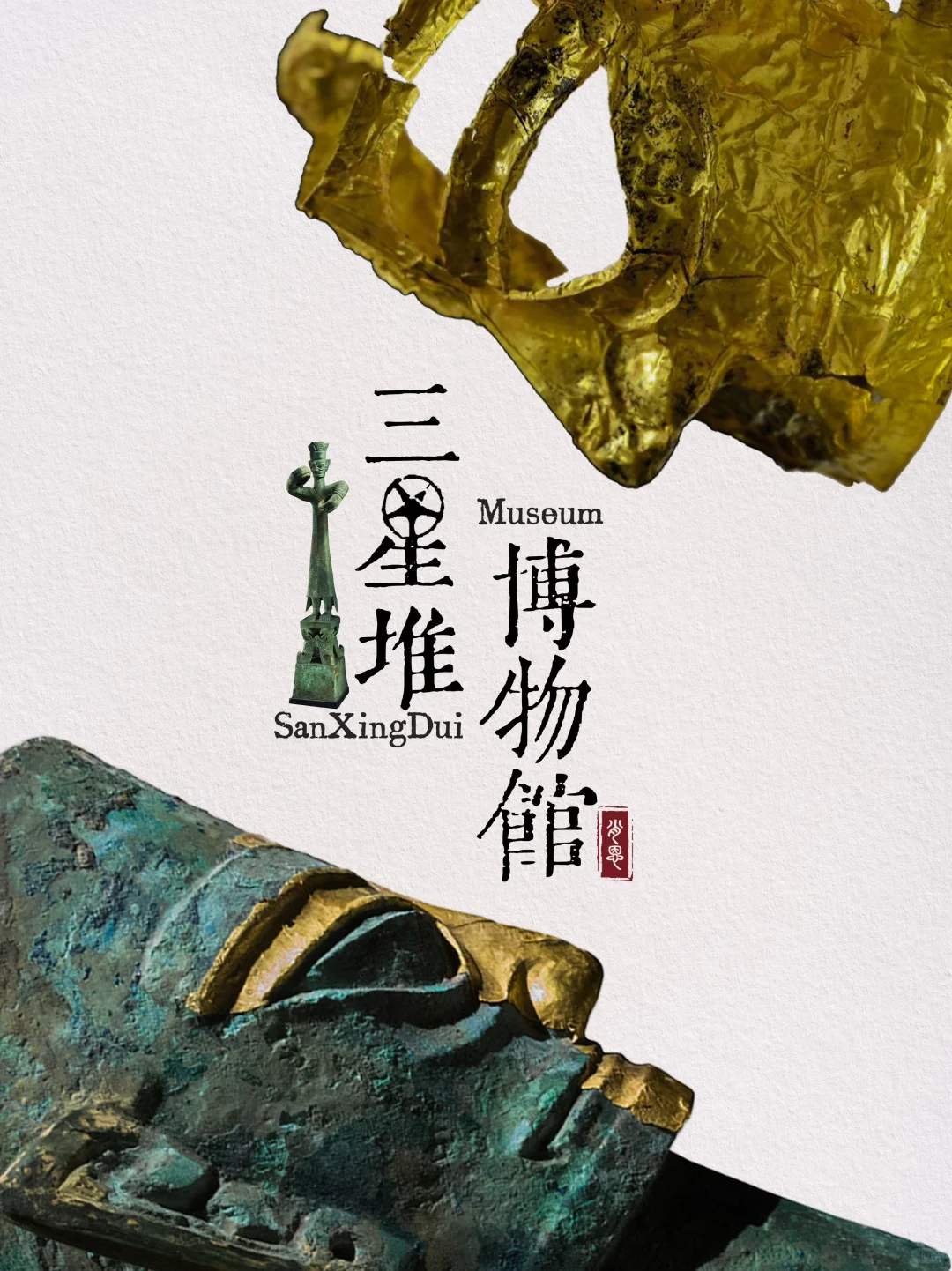
The Bronze Masks. The signature of Sanxingdui. The largest is a colossal, almost three-metre-wide mask with protruding pupils and sweeping, wing-like ears — the face you have almost certainly seen even if you don't know its name. Several smaller masks carry gold foil across the brow, hinting at the gold masks of a later era.
The Bronze Sacred Tree. A four-metre bronze tree with three tiers of branches, nine birds and dangling fruit, assembled in 1986 from hundreds of fragments. It is the largest bronze tree ever found in China, and its exact meaning — a link between earth and sky, a shamanic ladder, a cosmic model — is still argued over.
The Bronze Standing Figure. A figure over 2.6 m tall with enormous hands held in a ring, as though grasping something long vanished. This is the image most people leave with.
The Gold Scepter and Gold Mask. A gold-foil sceptre decorated with fish, arrows and a bird — interpreted by many scholars as a symbol of royal power — and a gold mask that echoes the bronze faces.
Jade and ivory. The site also yielded jade blades and enormous quantities of elephant ivory, evidence of ritual and long-distance exchange that predates the Silk Road by centuries.
What are the most famous Sanxingdui artifacts? The bronze masks, the bronze sacred tree, the bronze standing figure, the gold sceptre and the gold mask. All are in the museum's new halls, and all are the reason timed entry exists in the first place.
The New Museum & What's On Display
In July 2023, Sanxingdui opened a vast new museum building beside the old one, dramatically expanding the display and finally giving the collection room to breathe. This is a crucial update for planning: almost every older guide still describes the small 1997 museum, where the good bronzes were cramped into a fraction of the space.
The new building holds three themed exhibition areas plus the restoration hall:
- "Rise and Fall of an Ancient City" — the archaeology of the site itself, and how the Shu city grew and collapsed;
- "Pursuing the Dream of the Shu Kingdom" — the bronze, gold and jade masterpieces;
- "Heaven, Earth, Man and God" — the spiritual and ritual world of the Shu people;
- Restoration Hall — where conservators work on newly excavated pieces, sometimes in public view.
How long should I spend at Sanxingdui Museum? Budget three to four hours for the main halls at a comfortable pace, more if you read every label or hire a guide. Serious visitors routinely spend four to six hours. Because the museum is 40 km from Chengdu, it is best treated as a half-day out of the city in its own right, not a quick add-on between two other stops.
Tickets & Opening Hours
Sanxingdui uses timed-entry admission with real-name registration, and the passport you book with must be the one you present.
Opening hours (2026):
| Period | Opening | Last entry |
|---|---|---|
| Standard | 08:30 – 18:00 | 17:00 |
| Jul–Aug & Golden Week / holidays | 08:30 – 20:00 | 18:00 |
The Restoration Hall keeps slightly shorter hours (typically 09:00 – 17:00). The museum is generally open year-round, but do check for occasional maintenance closures.
Ticket prices: a general admission ticket is ¥72 per adult. Students pay half, and children under 1.3 m enter free. Note that tickets are not sold by any authorised third party — the museum has specifically warned that unofficial sellers target foreign visitors.
How do I buy Sanxingdui tickets? Only through official channels: the WeChat mini-program "三星堆博物馆" (also accessible via the museum's official account) or the on-site window. The mini-program releases tickets daily at 20:00, up to 5 days in advance. During summer holidays, Golden Week and weekends the popular morning slots sell out fast, so book the moment your window opens. Bring your passport — entry is by matching your booking document at the gate.
The Sanxingdui–Jinsha combo. If you plan to see both the museum and Jinsha in Chengdu, look for the joint ticket (¥138), which covers both sites and is valid for two days — a direct shuttle between the two makes the pairing genuinely easy. It is limited to a small daily quota (around 1,000), so it sells out early. This is the single best-value option for anyone doing the full ancient-Shu story.
Jinsha Site Museum: Sanxingdui's Story Continues
If Sanxingdui is the mystery, Jinsha Site Museum is the sequel — and it sits right inside Chengdu, in the Qingyang district, about 40 minutes from downtown.
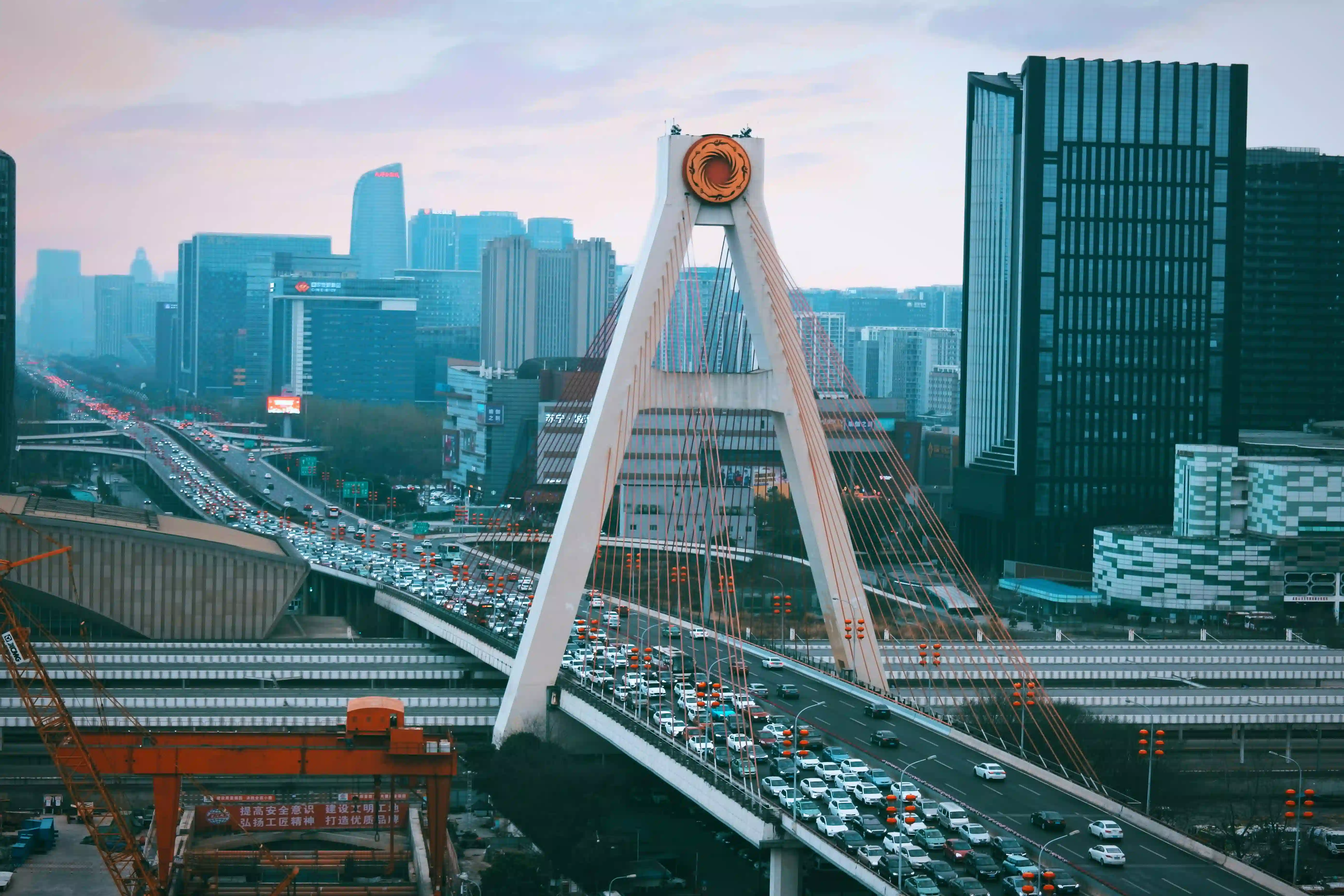
Jinsha is the site where the Shu civilization resurfaced after Sanxingdui was abandoned, and it dates to roughly 1100–600 BC. Its treasures share the Sanxingdui DNA — gold foil, jade, bronze ritual objects and more elephant tusks — but scaled into a settled city. The most famous piece is the Gold Sun and Immortal Birds ornament (太阳神鸟), four stylised birds circling a sunburst: it was chosen as China's national Cultural Heritage emblem in 2005 and is now the official mark of the city of Chengdu, printed on taxis and metro trains across the city.
The museum is a modern park-like complex over the excavation, with the original sacrificial-ritual dig preserved beneath an elevated walkway.
Jinsha basics:
- Location: 2 Jinsha Site Road, Qingyang District, central Chengdu;
- Hours: typically 09:00 – 18:00, with last entry around 17:00, closed Mondays (except national holidays); summer hours may extend into the evening;
- Tickets: around ¥70–80 for a general ticket, and covered by the joint ¥138 combo with Sanxingdui.
"Accessibility note: Jinsha has run temporary closures for renovation and upgrades in recent years. Always confirm the current opening status on the museum's official account before you build a day around it."
Should I visit Jinsha or Sanxingdui? If you have time for only one, choose Sanxingdui — it is bigger, more famous and more spectacular. But if you have a spare afternoon in Chengdu, Jinsha is the perfect complement: it is in the city, easy to reach, and it closes the story loop between the two Shu sites. The ideal pairing is Sanxingdui as a day trip plus Jinsha as a city afternoon.
Getting There from Chengdu
How far is Sanxingdui from Chengdu? About 40 km (roughly 47 km by road) northeast of the city centre, in Guanghan. There are several ways to do it.
By train (cheapest). Take a high-speed or intercity train from Chengdu East or Chengdu North to Guanghan North Station (about 18–30 minutes, from around ¥18), then a local bus or a short taxi to the museum. Cheap and reliable, but you'll still want the final bus leg.
By tourist shuttle (easiest). Chengdu's sightseeing shuttle (景区直通车) runs direct round trips from central Chengdu — including a stop at the Jinsha Site Museum — to Sanxingdui. Bookable online and at hotel desks, it removes all the connections.
By DiDi or private car (fastest / most flexible). A ride-hailing trip or private car takes around an hour door to door. For a family or small group it is often the simplest choice, and it lets you combine Sanxingdui with other stops on the way back.
By the trip you actually want: many visitors simply fold Sanxingdui into a guided day, especially since the ticket is timed and the good entry windows go quickly.
Planning a Sanxingdui Day Trip
A realistic self-guided day looks like this: leave Chengdu around 08:00, arrive for an early timed-entry slot, spend three to four hours in the new halls, have lunch in Guanghan, and be back in the city by mid-afternoon — leaving room for the Jinsha museum or People's Park tea on the same day if you have the energy.
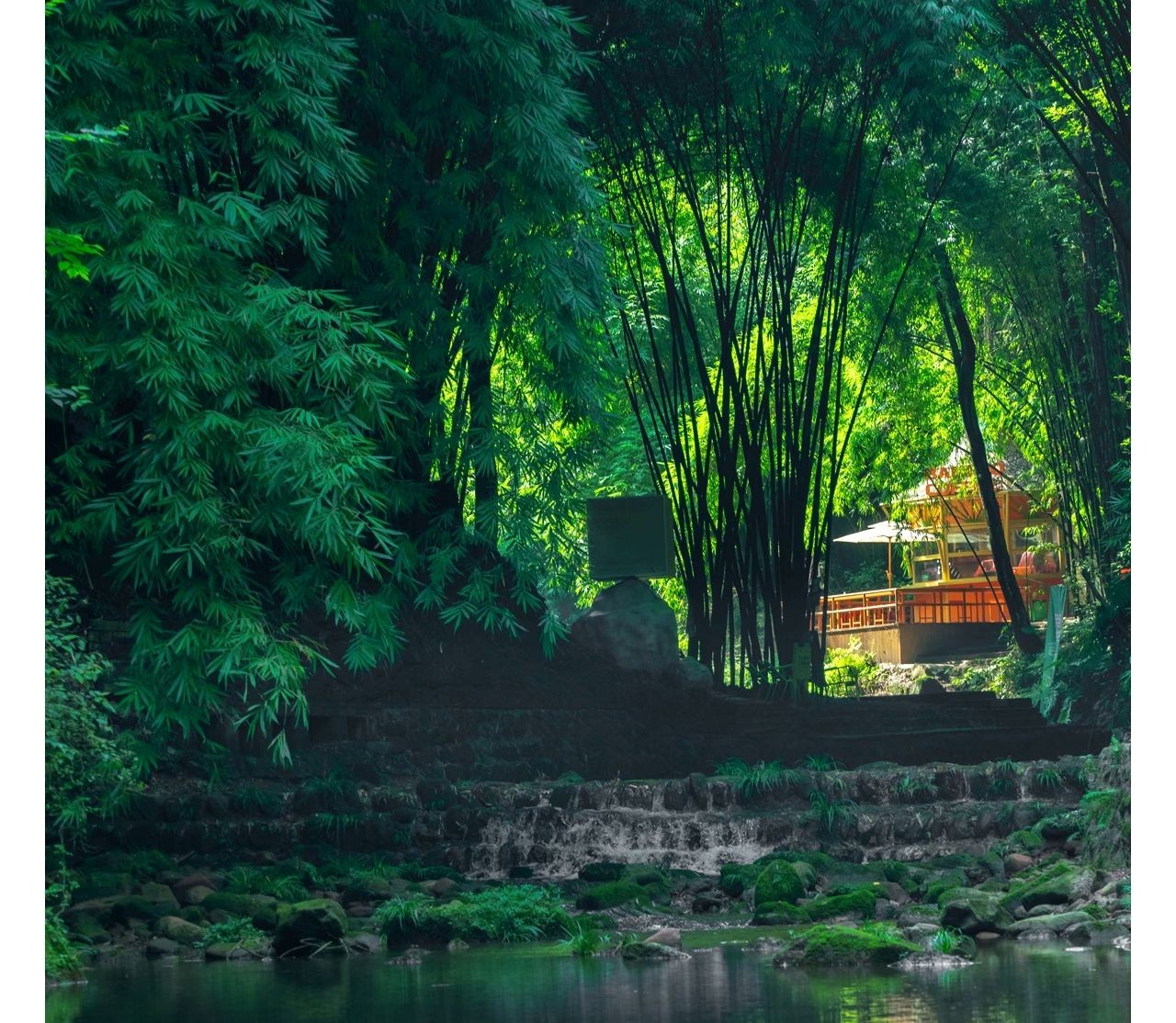
If you'd rather compare Sanxingdui against the region's other easy escapes — a bamboo valley, Mount Qingcheng, or Leshan — our guide to Chengdu day trips lays the options side by side so you can choose by mood.
A few practical tips: bring your passport (it is your ticket), go early to beat the tour groups, wear comfortable shoes because the new halls involve a lot of walking, and consider a guide or audio tour — Sanxingdui's objects tell a story that is far richer with context.
The Bashu Three-Thousand-Years Tour
For many travelers, the cleanest way to see all of this is on a guided itinerary — and the reason is mundane: Sanxingdui's timed tickets sell out, and the connections between the museum, Guanghan and Chengdu take planning.
Our Sanxingdui Museum & 3,000 Years of Bashu tour builds the ancient-Shu story into a five-day private journey: the bronze masks and new halls of Sanxingdui with a historian guide, the Chengdu Museum's Shu galleries and Jinsha, then outward to the 2,000-year-old Dujiangyan irrigation system, a temple day on Mount Emei and a golden-hour boat cruise past the Leshan Giant Buddha. Every admission — including your pre-booked, timed Sanxingdui entry — is arranged for you, and groups stay small (max 8).
You can see the full day-by-day itinerary and book it here: **Sanxingdui Museum & 3,000 Years of Bashu — 5-Day Tour**.
Prefer the ancient-Shu thread woven into a broader culture trip instead? Our sister journey, the **China Cultural Tour — Sichuan Living Heritage**, spends six days among the province's craftspeople — Shu brocade, bamboo weaving and heritage cuisine — for travelers who want the living culture as well as the archaeology.
And if you'd rather shape your own Sanxingdui-and-beyond route, our team will build it around your dates from the **custom Sichuan trip planner**.
FAQ
How do I buy Sanxingdui Museum tickets? Only through the official WeChat mini-program "三星堆博物馆" (or the on-site window). Tickets are released daily at 20:00, up to 5 days ahead. Bring the passport you booked with.
How much is Sanxingdui entry? ¥72 for a general adult ticket; students half price, children under 1.3 m free. A joint Sanxingdui–Jinsha ticket is ¥138 and valid for two days.
How long should I spend at Sanxingdui Museum? Three to four hours for the main halls; four to six hours if you go deep. Treat it as a half day out of Chengdu.
How far is Sanxingdui from Chengdu? About 40 km, roughly an hour by car or DiDi, or 18–30 minutes by train to Guanghan North plus a short bus.
Should I visit Jinsha or Sanxingdui? Do Sanxingdui if you can only pick one; add Jinsha (in Chengdu) as a city afternoon to complete the ancient-Shu story.
Is Sanxingdui worth visiting? Yes — it is one of the few places in China where the artifacts genuinely rewrote the historical record, and the new 2023 museum finally does them justice.
Last Updated: October 15, 2026 · Ticket prices, opening hours and transport details are re-verified quarterly against official sources.
Disclaimer: Ticket prices, opening hours, timed-entry rules and transport schedules are set by the museum and local authorities and are subject to change without notice. This article is for general travel guidance only and does not constitute booking advice. Always confirm current details through the museum's official channels (WeChat "三星堆博物馆") and, for Jinsha, the museum's official account before your visit.
Sources:
- Sanxingdui Museum official visitor information and WeChat booking channel (三星堆博物馆) — ticket ¥72, hours 08:30–18:00 (extended Jul–Aug & holidays), release at 20:00 up to 5 days ahead
- Chengdu Jinsha Site Museum official information — hours, Monday closure, ticket ¥70–80, Sun and Immortal Birds gold ornament as the China Cultural Heritage emblem
- Sanxingdui–Jinsha joint ticket notices (¥138, ~1,000/day quota, two-day validity) via Chengdu media
- On-the-ground verification by our Chengdu Guide Team (Oct 2026)