
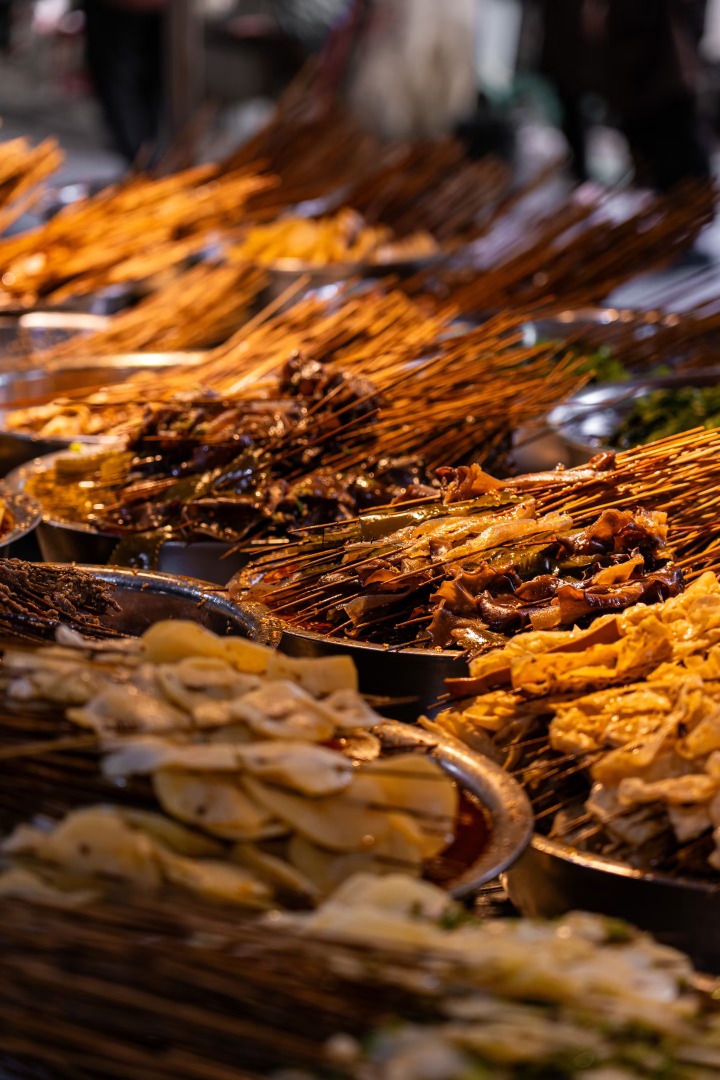
Here's a secret that will change your entire trip: Sichuan food is not spicy. It is twenty different flavors, one of which is spicy.
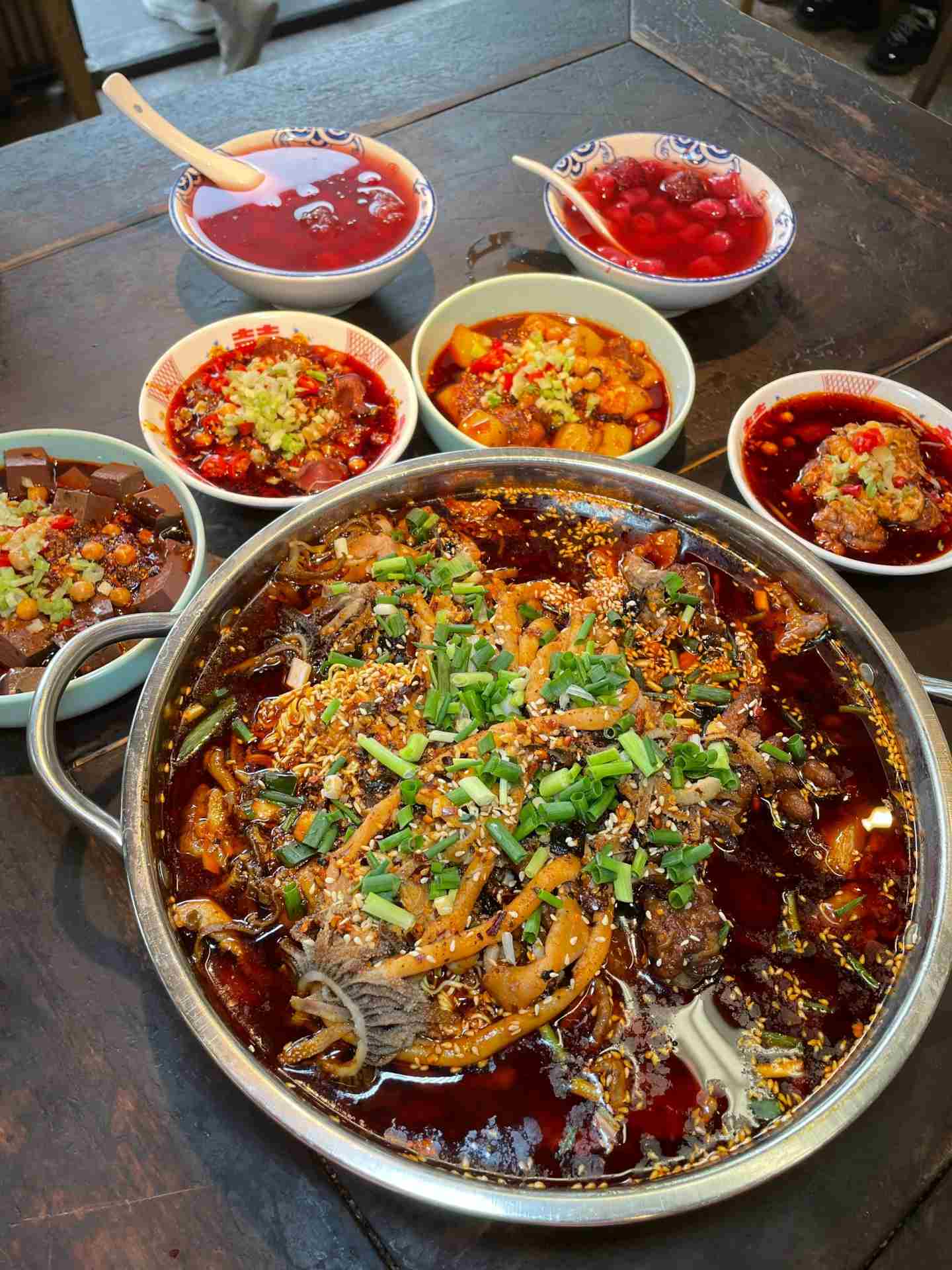
Somewhere between the chili oil and the peppercorns, the West decided this cuisine was a dare. It isn't. A properly ordered Sichuan meal has numb and non-numb, hot and cool, meat and vinegar-slapped greens. The locals at the next table are not suffering. They're balancing.
Here's how to order like them.
First, Understand 麻 (Má)
The single most misunderstood character in Chinese food. 麻 (má) is the "numbing" sensation from Sichuan peppercorns (花椒, huājiāo) — technically citrus relatives, not pepper at all. They create a tingling, almost electric feeling on your lips that officially pairs with chili heat (辣, là) as the legendary málà (麻辣) combination.
Why it matters: when a menu says málà, you're signing up for the full experience. When it doesn't, you may have found one of Sichuan's dozens of non-fiery masterpieces.
"Foreigners ask for "not spicy." Locals ask for "balanced." Say 微辣 (wēi là, "mildly spicy") and you'll be respected. Say 不要辣 (bú yào là, "no spice") and you'll get food with no soul. Choose wisely."
The Ten Characters That Unlock Any Menu
Most Sichuan dishes are named literally: cooking method + main ingredient. Learn these ten and you can decode 80% of any menu, no translation app needed.
| Character | Pinyin | Meaning |
|---|---|---|
| 炒 | chǎo | stir-fried |
| 烧 | shāo | braised |
| 蒸 | zhēng | steamed |
| 凉拌 | liángbàn | cold-tossed (in chili oil/vinegar) |
| 汤 | tāng | soup |
| 面 | miàn | noodles |
| 兔 | tù | rabbit — yes, this is your warning system |
| 脑花 | nǎohuā | brain (usually pork, usually hotpot) — second warning system |
| 牛肉 | niúròu | beef |
| 素 | sù | vegetarian |
That rabbit head (兔头, tùtóu) from our headline? It's a beloved Chengdu street snack — gnawed like a crab, seasoned gorgeously. Try it if you're brave, skip it guilt-free if you're not. Now you can tell the difference.
The Five Dishes to Learn First
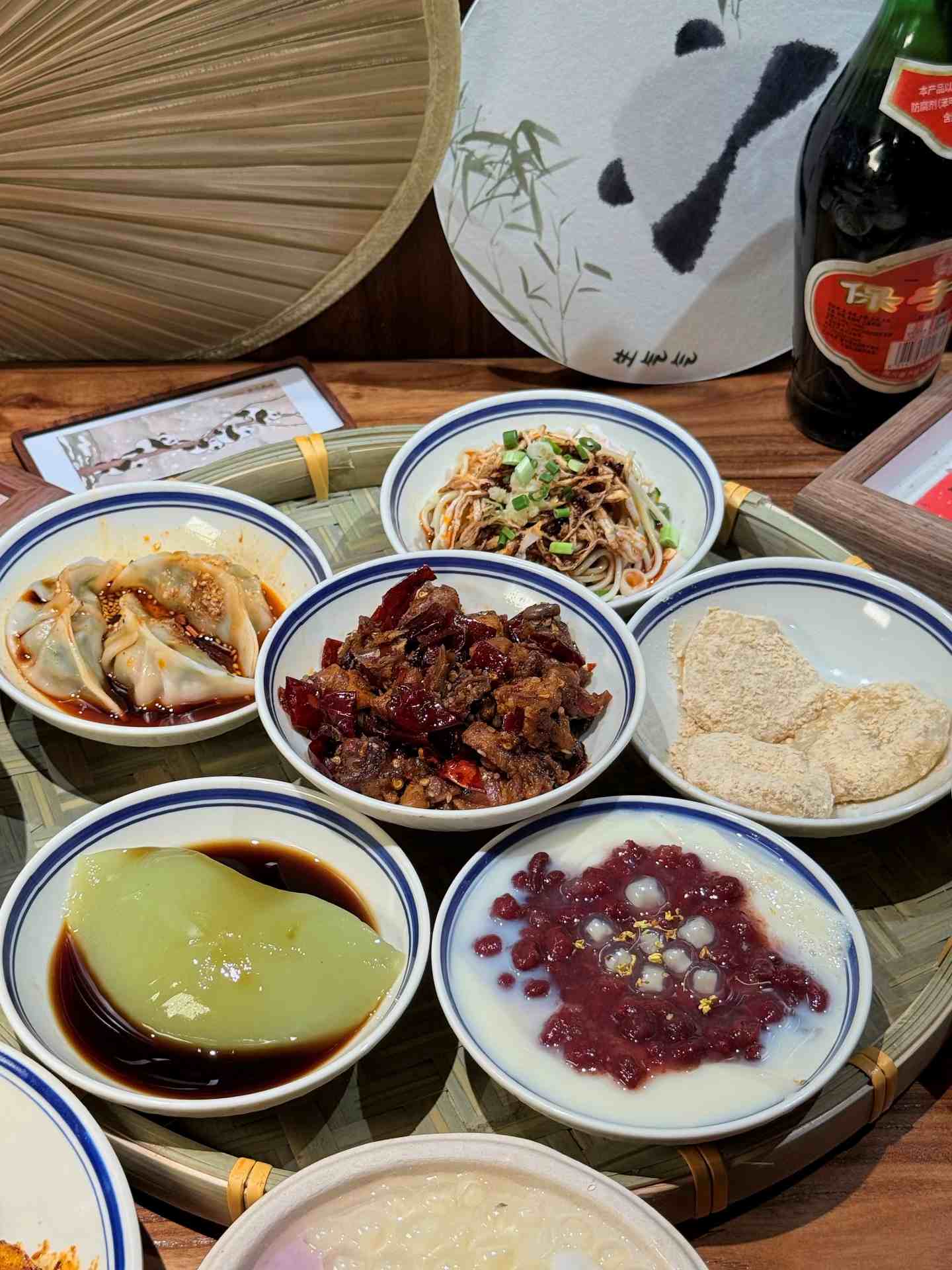
麻婆豆腐 (mápó dòufu) — Mapo tofu. Silken tofu, ground pork, and a river of málà sauce. Order it everywhere; no two versions are alike.
回锅肉 (huíguō ròu) — Twice-cooked pork. The dish locals order to judge a restaurant. Fatty pork belly, leeks, and fermented bean paste. Zero numbing, full flavor.
担担面 (dàndàn miàn) — Dan dan noodles. A single ¥15 bowl with minced pork, preserved mustard greens, and sesame-chili sauce. The perfect first Sichuan meal for the spice-cautious — ask for the sauce on the side.
鱼香茄子 (yúxiāng qiézi) — "Fish-fragrant" eggplant. Contains no fish. The name refers to the seasoning traditionally used for fish: garlic, ginger, scallion, pickled chili, sweet-sour balance. Vegetarian-friendly and universally loved.
钟水饺 (zhōng shuǐjiǎo) — Zhong dumplings. Pork dumplings drowned in sweet-spicy black vinegar and chili oil. Mild by Sichuan standards. Dangerous in quantity.
Ordering Like You Mean It
The magic phrases, written exactly as you'd hand your phone to a server:
- 微辣 (wēi là) — "mildly spicy" — the realistic compromise - 微麻 (wēi má) — "mildly numbing" — for peppercorn caution - 不要花椒 (bú yào huājiāo) — "no Sichuan peppercorns" — the nuclear option - 一人份 (yī rén fèn) — "one-person portion" — Sichuan dishes are family-style; this stops over-ordering - 不辣的菜 (bú là de cài) — "a non-spicy dish" — smart move: always order one as a fire escape
One habit worth stealing: locals order odd numbers of dishes per person, always including one cold dish (凉菜), one vegetable (素菜), and one soup. It's a built-in flavor balancing system that has worked for centuries.
A word on street food safety: the stalls with long local queues and high ingredient turnover are generally your safest bets — freshness cycles fast. Follow the crowds, watch a bowl being assembled before you commit, and keep a bottle of water closer than your pride.
Where to Practice
Skip the pedestrianized tourist streets. The streets around Yulin Road and the back alleys off Jianshe Road are where Chengdu actually eats — ¥10–30 per dish, plastic stools, menus on the wall with no English and no mercy. Hand over the phrases above, point bravely, and see what arrives.
---
Last Updated: August 23, 2026 · Dish names, prices, and neighborhood recommendations verified by our Chengdu-based team and re-checked quarterly.
Disclaimer: This article describes dishes that commonly contain pork, peanuts, sesame, and other allergens — always confirm ingredients directly with the restaurant if you have allergies or dietary restrictions. Street food hygiene standards vary by vendor; choices made based on this article are at the reader's own discretion. Prices are indicative and may vary.
Sources:
- Sichuan Cuisine Museum (川菜博物馆), Chengdu — culinary history and málà background - "Land of Plenty" by Fuchsia Dunlop — the standard English-language reference on Sichuan cuisine - On-the-ground verification by our Local Guide Team, Chengdu (Aug 2026)