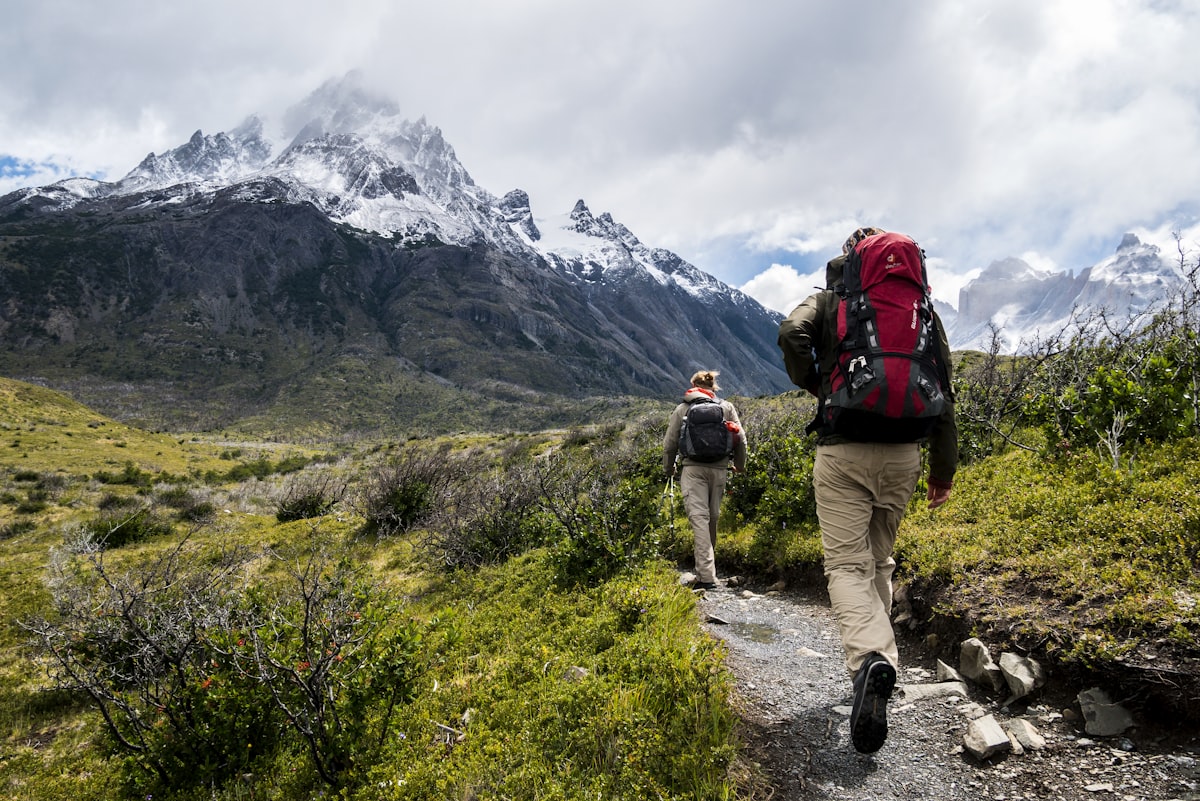
You can tell the first-timers on any western Sichuan road. They're the ones at the Zheduo Mountain pass (4,298 m) in a hoodie, lips purple, photographing the same view they've already photographed twice, because stopping feels safer than moving.
The highlands don't punish bad packing out of cruelty. They punish it out of physics: at 4,000 meters the sun is fierce and the air is thin, and by evening it's freezing again. The fix is almost embarrassingly simple — the right five pieces, bought or packed with intention, and an honest understanding of what altitude does. Here's the list we hand our own travelers. Updated as of August 2026.
Bring These Five Things
1. The layer system (not "warm clothes"). A cotton hoodie is worse than useless — it holds sweat, and wet fabric at altitude turns into hypothermia's doorman. What works is three specific layers: a moisture-wicking synthetic base layer, a fleece or light down mid-layer, and a wind-and-waterproof shell. You'll wear all three at the pass, peel to one at lunch, and the whole system packs down smaller than that hoodie.
2. Real sun protection. The plateau sun is not the beach sun. At 3,500–4,500 meters, UV intensity runs three to five times what your skin knows from sea level, and snow can reflect 80–90% of it back at you from below — a hat alone doesn't save you. SPF 50+ PA++++ sunscreen (reapplied every two hours, honestly), UV400 sunglasses, and a wide-brimmed hat with a chin strap for the wind. Lip balm with SPF, applied obsessively; cracked lips are the plateau's unofficial uniform.
3. Altitude logic, in three parts. Climb gradually — a night in Kangding (2,560 m) or Danba (2,000 m) before sleeping at 2,900 m or higher measurably reduces misery. Move slowly, eat lightly, drink water constantly, no alcohol, and skip the shower on night one. And know the line: a mild headache is normal; vomiting, confusion, or a wet cough are signals to descend — immediately, 500 meters is usually enough.
4. Medicine, packed with honesty. Ibuprofen for altitude headaches (with food, not on an empty stomach). Your personal prescriptions, doubled if they matter, because village pharmacies are thin on the ground. If you take acetazolamide (Diamox), know that in China it's prescription-only — arrange it at home before you fly, or discuss alternatives with a travel-medicine clinic. Rhodiola (红景天) is the local herbal favorite; the honest verdict on the evidence is "modest at best, needs a week's head start" — treat it as a garnish, not a plan.
5. The boring essentials. A 20,000 mAh power bank (cold kills batteries fast), offline maps downloaded for all of Sichuan before you leave Chengdu, a physical copy of your passport (there are checkpoints), snacks for long driving days, and a modest amount of cash for the odd village toilet or fruit stand. Signal on the plateau fades in and out like the weather.
Leave These Behind
The giant suitcase. Twenty-four inches, maximum, or a duffel. Beyond practicality — many guesthouse stairs and some vehicle trunks simply aren't built for more — there's a philosophical point: the highlands reward traveling light, and you'll wear the same three outfits anyway. Leave the evening wear; nobody dresses up at 4,000 meters.
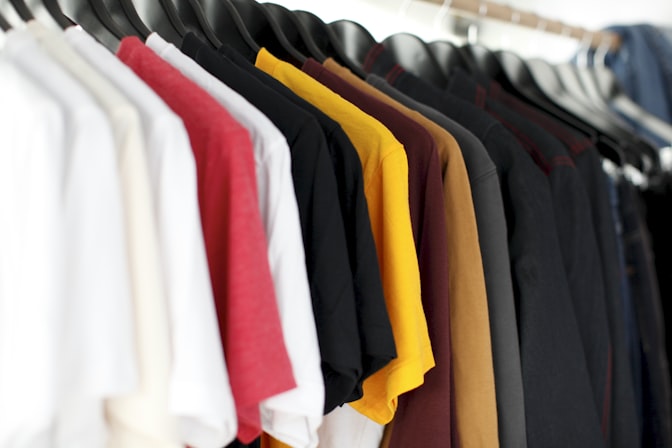
Cotton everything. Hoodies, jeans, tube socks. The layer system above replaces all of it. If you must bring one pair of jeans for Chengdu evenings, fine — but they don't go up the mountain.
The full medicine cabinet. This is the classic over-packing sin. Chengdu pharmacies are excellent, cheap, and everywhere — including Western-style options and pharmacists who'll video-call a translator. Bring what's personal and prescription; buy the rest there. One exception below.
Slippers, hair dryer. Every guesthouse has the first two. And a windproof shell with a hood beats an umbrella on the plateau, where the wind treats umbrellas as a personal insult.
The One Big Purchase: Oxygen, Bought in Chengdu
Here's the local arithmetic. A canister of portable oxygen costs about ¥20–35 in a Chengdu pharmacy — and ¥35–60 in Kangding, ¥60–80 at the scenic-area entrances where people need it most and can least think clearly. The canisters are small, feather-light, and sold in stacks at every pharmacy counter in the city. Buy three or four per person before you leave town; hand them out like party favors at the pass.
The one thing you absolutely cannot do: fly with them. Compressed oxygen canisters are prohibited on Chinese domestic flights — neither carry-on nor checked. If your itinerary flies you into Chengdu (or anywhere), the canisters get bought after landing, never before.
What Old Hands Know
Buy, don't haul. Diapers, wipes, sunscreen, snacks, batteries — Chengdu has world-class versions of all of it at a fraction of home prices. The packing rule that matters: if it's consumable and non-medical, you can almost certainly buy it in Chengdu the day before departure.
Book beds for the altitude, not the view. On our itineraries, the first night out is always the lowest-altitude stop on the route — Danba or Kangding, never Yajiang or Litang. Your body will vote in favor of this policy by morning.
Space for one souvenir. You're in the province that invented the gaiwan. If the highlands chapter of your trip ends with an empty corner of your duffel, the teahouses of Chengdu have a porcelain solution — and a fridge-magnet-sized one for the carry-on.
The three mistakes, named. One: rushing the ascent and sleeping high on night one. Two: skipping sunscreen because "it's cold." Three: packing for weather instead of altitude — the temperature you can buy a jacket for; the thin air you can't. Get these right and you've eliminated the majority of what actually goes wrong up there.
The Five-Minute Version
| Bring | Leave |
|---|---|
| 3-layer system (base/fleece/shell) | The giant suitcase |
| SPF 50+ sunscreen, UV400 sunglasses, brimmed hat | Cotton hoodies and jeans |
| Ibuprofen + personal prescriptions | The full pharmacy from home |
| Power bank, offline maps, passport copy,umbrella | Slippers, hair dryer |
| Oxygen canisters —bought in Chengdu, never flown | Anything you can buy there for less |
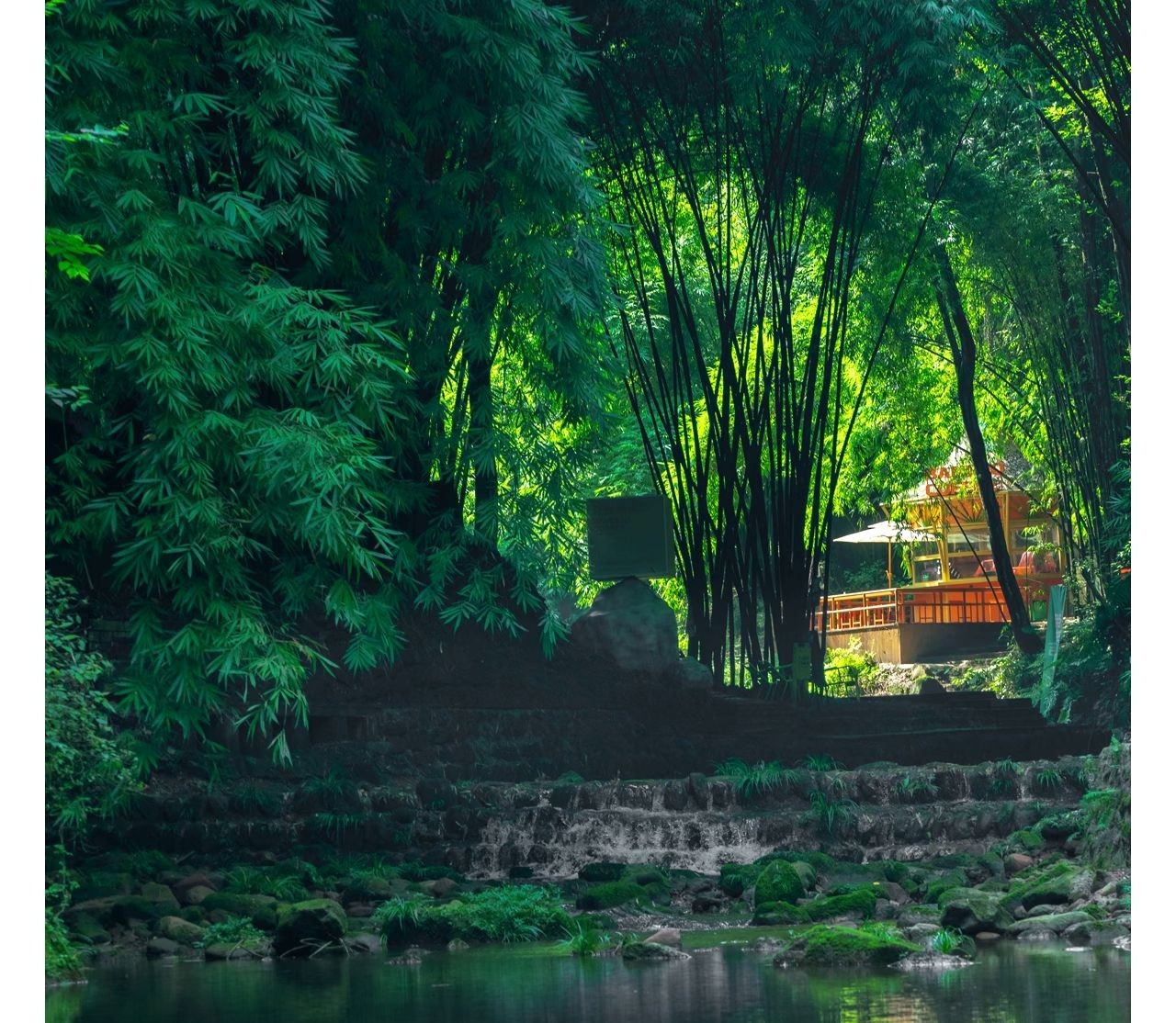
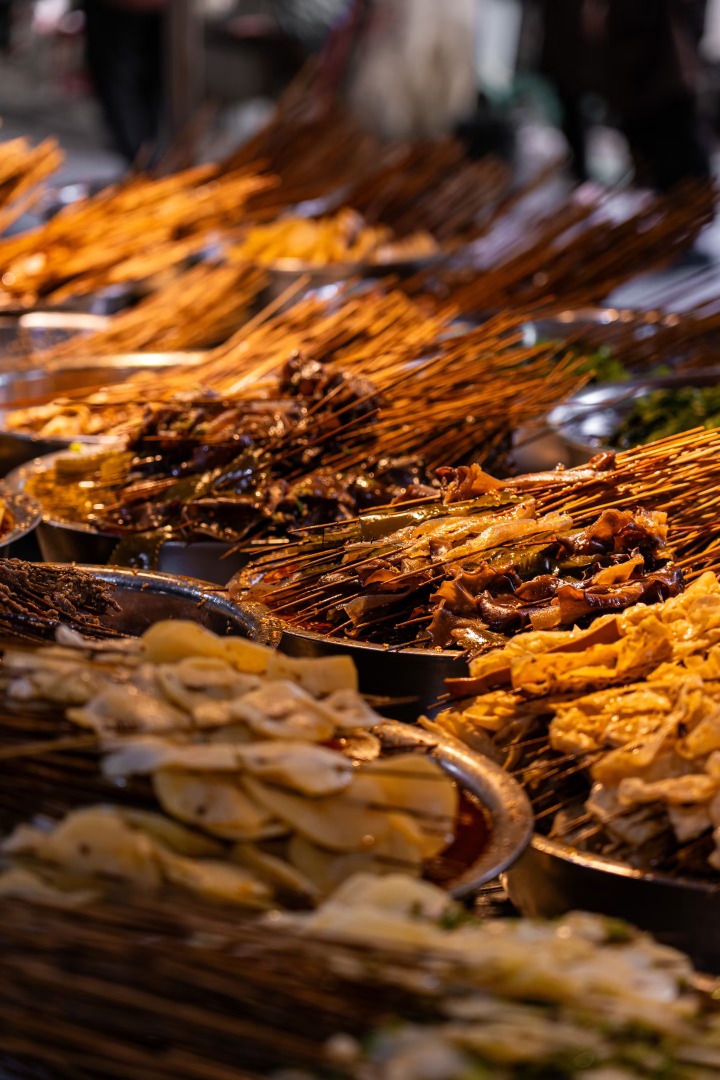
Whenever you go, the seasonal guide still applies — check when to chase the clouds before you commit to dates. And if the highlands feel like a lot for a first visit, the gentler classics — Chengdu's teahouses, bamboo valleys, and a Sichuan menu decoder — will still be here when you come down.
---
Last Updated: August 22, 2026 · Pharmacy prices, baggage rules, and packing recommendations verified by our Chengdu-based team and re-checked quarterly.
Disclaimer: This article is general travel guidance only and is not medical advice. Altitude travel carries genuine medical risk — consult a physician before high-altitude travel if you have cardiovascular, respiratory, or other relevant conditions, and discuss altitude-sickness medication with a travel-medicine professional *before* departure, as prescription rules differ by country. Oxygen canister and baggage regulations are set by Chinese civil aviation authorities and airlines and may change; verify current rules with your carrier. Purchase and use of any medication is at the traveler's own discretion and risk.
Sources:
- Chengdu pharmacy pricing for portable oxygen canisters (verified on-the-ground, Aug 2026) - CAAC and airline dangerous-goods rules on compressed oxygen in checked and carry-on baggage - Chinese drug classification: acetazolamide prescription-only status - WHO / Chinese high-altitude medicine guidance on UV exposure and altitude illness - On-the-ground verification by our Local Guide Team, Chengdu (Aug 2026)